Choosing the Best Outdoor Furniture for Your Garden

Garden Services - ASK Outdoor furniture for garden

At ASK Building & Repairs, a well-designed outdoor space can transform your garden into a haven for relaxation, entertainment, and family gatherings. Whether you’re looking for a cosy morning coffee spot or a spacious summer barbecue setup, choosing the right garden furniture is key. Here’s how you can set up the best outdoor furniture for your garden.

Finding the Right Fit for Your Space

Every garden is different, and so are its furniture needs. Before making a purchase, consider:

  • Space & Layout: Do you have room for a large dining set, or would a compact bistro table better suit your patio?
  • Accessibility: Ensure your furniture fits through doorways and pathways for easy placement.
  • Storage & Weather Resistance: Will your furniture stay outdoors year-round, or do you need foldable options for easy storage?
  • Maintenance: Some materials require annual treatments, while others are virtually maintenance-free.

Popular Garden Furniture Options

Garden Dining Sets

Our dining sets, perfect for al fresco dining, come in various sizes, from intimate four-seaters to spacious nine-seater setups.

Bistro Sets

Ideal for smaller spaces, bistro sets create a charming, functional corner for two. Many options fold away for easy storage.

Outdoor Coffee Sets

For a relaxed, lounge-like feel, our coffee sets include armchairs, sofas, and stylish tables that bring a touch of luxury to your garden.

Garden Benches

A timeless addition to any outdoor space, benches provide a peaceful spot to sit and enjoy your surroundings. Choose from classic wooden designs, modern metal frames, or stone options.

Sun Loungers

If you want to soak up the sun, a comfortable sun lounger is necessary. Adjustable backs and foldable designs make them both practical and stylish.

The Finishing Touches

To make the most of your garden furniture, consider adding:

  • Parasols & Bases: Essential for shaded comfort on sunny days.
  • Cushions & Rugs: Enhance comfort and style with weather-resistant textiles.
  • Outdoor Bars, Hammocks & Hot Tubs: Create a standout space for entertaining and relaxation.

Speak to us about Outdoor Furniture for your Garden

At ASK Building & Repairs, we help with furniture selection and offer expert repairs and maintenance to keep your outdoor space looking its best. Whether it’s restoring a weathered bench or fixing a wobbly table, we’ve got you covered. Get in touch today to discuss how we can help refresh your garden!

8 Ways to Save Money on Your Garden This Spring

Money-saving gardening ideas with ASK Building & Repairs

With rising household costs, many homeowners are looking for ways to cut expenses while keeping their outdoor spaces looking great. The good news is that you don’t need to spend a fortune to enjoy a beautiful and productive garden this year. Here are some brilliant, money-saving gardening ideas to help you make the most of your garden without breaking the bank.

1) Grow Fast-Flowering Plants from Seed

Instead of buying expensive plants, grow easy-to-care-for annuals like cosmos, marigolds, sunflowers, and zinnias from seed in April and May. These fast-growing flowers add vibrant colour to your garden and help fill gaps in your flower beds at a fraction of the cost of buying mature plants. Climbing plants like sweet peas and morning glories are also a budget-friendly way to add height and interest to your garden.

2) Get Creative with Seed Sowing

Rather than buying new pots and trays, repurpose household items like newspapers, egg cartons, or plastic food containers to start your seedlings. If you have a sunny, well-drained area in your garden, you can sow many seeds directly into the soil from mid-April onwards. This method eliminates the need for pots altogether, saving you money while using what you already have.

3) Make the Most of Natural Growth

Some weeds, such as hawkbit and green alkanet, are attractive additions to your garden. Instead of pulling them out immediately, consider letting them grow in controlled areas for a more natural look. Any weeds that grow too aggressively can be composted, creating a free and nutrient-rich material for your garden.

4) Plant from Your Kitchen

You don’t always need to buy new plants; some kitchen scraps can become lush garden additions. Sweet potatoes, for example, can be sprouted in a warm spot indoors before planting outside for a beautiful leafy display. Onions left to sprout can be planted in the ground and will produce attractive flowers that are great for pollinators. Even leftover carrot tops can grow into decorative greenery.

5) Buy Small and Let Them Grow

Instead of purchasing fully grown plants, opt for smaller, much cheaper plug plants. They need extra care indoors or in a greenhouse until the weather warms up. Once planted outside, they will grow quickly and fill your garden with colour without costing you a fortune. Good choices include petunias, penstemon, and nicotiana.

6) Use Smaller Plants for Cuttings

Maximise your plant collection by taking cuttings from smaller, tender plants. For example, you can take soft cuttings and grow additional plants for free if you buy a small fuchsia or Argyranthemum plant. The same method works with tomato plant side shoots, giving you extra plants at no cost.

7) Make Your Plant Feed

Fertiliser prices have risen, but you can make your liquid feed at no cost. Collect fast-growing plants like borage, nettles, and grass clippings, then soak them in a covered bucket of water for a couple of weeks. The resulting nutrient-rich liquid can be diluted and used to feed your plants for free.

8) Reuse and Recycle Compost

Bagged Compost can be expensive, especially when filling large containers. Mix used Compost with fresh material to cut costs and add homemade Compost or leaf mould to improve its quality. If you have shrubs or trees in containers, adding a mix of bark and recycled Compost will keep the soil in top condition for longer, reducing the need for constant replacements.

Money-saving Gardening Ideas

Following these simple money-saving gardening ideas can keep your outdoor space looking fantastic while keeping costs low. Whether you’re using what you already have or growing your own plants from scratch, small changes can add up to big savings!

The Ultimate Guide to Window Replacement in Derby: Do’s and Don’ts

Window Replacement in Derby

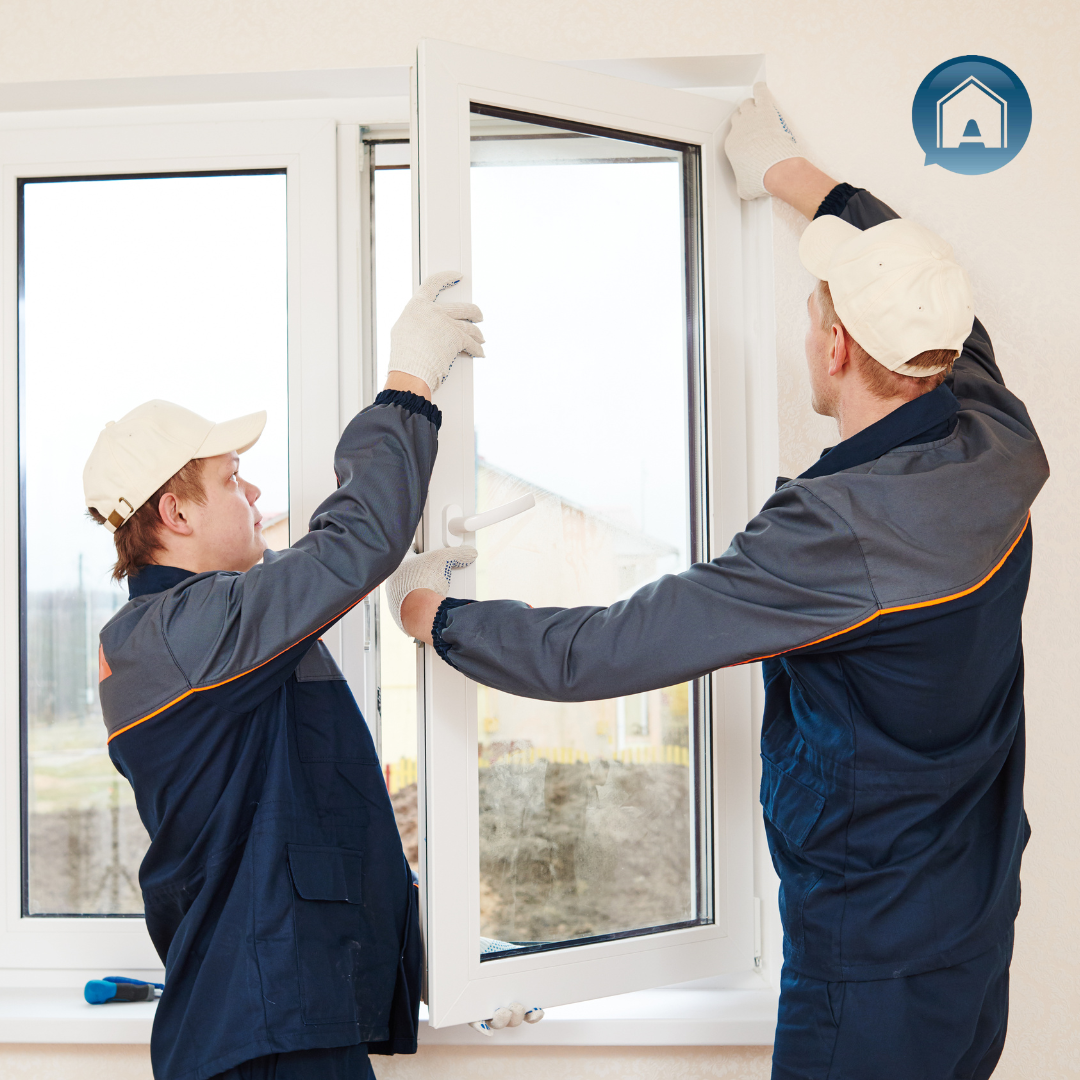
Regarding home improvements, replacing your windows can make a massive difference to your home’s warmth, security, and overall appearance. But with so many options available, it’s easy to feel overwhelmed. Here’s our handy guide to window replacement and what the best method to take is.

At ASK Building & Repairs, we’re here to help. As a trusted local business in Derby, we’ve helped countless homeowners choose and install the right replacement windows for their homes. To simplify buying replacement windows, we’ve compiled this ultimate guide of do’s and nots.

Whether you’re dealing with draughty, outdated windows or want to improve your home’s curb appeal, following these tips will help you make the best decision for your home and budget.

Do’s of Window Replacement

✅ Do Prioritise Energy Efficiency

Energy-efficient windows don’t just help keep your home warm in winter and cool in summer – they can also save you money on energy bills. Look for double or triple glazing with a high energy rating (such as A or A+) to ensure your new windows help reduce heat loss and improve insulation.

✅ Do Choose the Right Material

The right window material can impact durability, maintenance, and aesthetics. Popular options include:

  • uPVC Windows – Affordable, low-maintenance, and available in various colours and styles.
  • Aluminium Windows – Sleek, modern, and incredibly durable.
  • Timber Windows – A classic option that adds character but requires more maintenance.

At ASK Building & Repairs, we help homeowners find the best option to suit their property and budget.

✅ Do Consider the Window Style

Different styles suit different homes, so think about what will complement your property’s look:

  • Casement Windows – Hinged on one side and open outwards. It is a popular, versatile choice.
  • Sliding Sash Windows – Perfect for period properties, with a traditional, elegant design.
  • Bay Windows – Extend from the house, creating extra space and letting in more light.

Choosing the right style will enhance your home’s appearance and improve functionality and ventilation.

✅ Do Research Your Window Installer

A great window is only as good as the installation. Choose a reputable, local company with a strong track record. Look for:

  • Positive customer reviews
  • Industry accreditations
  • Clear, transparent pricing

At ASK Building & Repairs, we’re proud to offer expert window replacement services in Derby, backed by years of experience and satisfied customers.

✅ Do Ask About Warranties & Guarantees

A good window should last years, but make sure your installer offers a solid warranty. This protects you against defects and ensures peace of mind. We guarantee our window installations so you can be confident in your investment.

✅ Do Get Multiple Quotes

Window replacement is a significant investment, so it’s a good idea to compare prices and be wary of quotes that seem too cheap. That could mean lower-quality materials or poor artistry.

✅ Do Consider Security Features

Windows are one of the most common entry points for burglars. Look for:

  • Multi-point locking systems
  • Toughened or laminated glass
  • Secure window frames

At ASK Building & Repairs, we prioritise security in every window installation to help keep your home safe.

Don’ts of Window Replacement

❌ Don’t Compromise on Quality

Cheap, poorly made windows can cause draughts, leaks, and higher energy bills. Investing in high-quality windows ensures long-term performance and durability.

❌ Don’t Overlook Proper Installation

Even the best windows will fail if they’re not installed correctly. Poor installation can lead to water leaks, draughts, and security risks. Always use a professional and experienced installer.

❌ Don’t Forget About Maintenance

Some windows require more upkeep than others. Timber windows, for example, need regular painting or staining, while uPVC and aluminium windows require minimal maintenance.

❌ Don’t Ignore Noise Reduction

If you live in a busy area of Derby, noise pollution can be an issue. Opt for double or triple glazing to help block out unwanted sound and create a quieter home.

❌ Don’t Forget About Natural Light

More enormous windows or well-placed designs can brighten up your home and make rooms feel more spacious. If you’re unsure about the best options to maximise nature, we can advise you on the best options.

❌ Don’t Rely on DIY Installation

Installing windows is a specialist job that requires precision. Incorrect installation can cause serious issues, from leaks to structural damage. Always hire a trusted professional.

Why Choose ASK Building & Repairs in Derby?

At ASK Building & Repairs, we specialise in window replacement in Derby. We offer expert advice, high-quality materials, and professional installation. Whether you need to replace a single window or upgrade your home, we’re here to help.

✔ Local, trusted team with years of experience

✔ High-quality materials for long-lasting performance

✔ Competitive pricing with no hidden costs

✔ Professional, stress-free installation

If you’re considering replacing your windows, contact us today for a free consultation and quote.

Call us now to discuss your window replacement needs!

Black Mould on Windows: Causes, Risks, and How to Get Rid of It

Black Mould on Windows | ASK Building & Repairs

Black Mould around windows is unsightly and can lead to serious health issues and long-term damage to your home. If you’ve noticed black Mould forming on your window frames, sills, or even the surrounding walls, it’s crucial to understand what’s causing it, how dangerous it can be, and what steps you can take to remove and prevent it.

This guide will explore the causes of black Mould around windows, its risks, and the best ways to tackle the problem. If condensation and dampness are persistent issues in your home, consider upgrading your windows.

What Causes Black Mould on Windows?

Black Mould forms around windows due to excessive moisture in the air. This moisture can come from various sources; without proper Ventilation or insulation, it can quickly lead to mould growth. Some of the most common causes include:

  • Leaking window frames – Gaps or cracks in window frames can allow rainwater to enter, leading to damp conditions that encourage mould growth.
  • Poor roof maintenance – Roof damage can cause penetrating dampness, which can seep into walls and window areas.
  • Inadequate heating – Cold, poorly heated homes encourage condensation, which can accumulate on windows.
  • Leaking pipes or fixtures – Water leaks from pipes, taps, showers, or baths can increase indoor moisture levels.
  • Rising damp – Moisture travelling up through walls from the ground can spread to window areas.
  • Condensation is the most common cause of black Mould around windows. When warm indoor air hits the cold glass, moisture condenses, creating the perfect environment for Mould.

Kitchens and bathrooms are particularly prone to black Mould because they generate much steam, but bedrooms can also suffer, especially in winter when warm air meets cold window panes overnight.

Is Black Mould Around Windows Dangerous?

The short answer is yes. Black Mould, technically known as Stachybotrys Chartarum, can be hazardous to your health. It affects indoor air quality and can cause respiratory problems, especially for those with pre-existing conditions such as asthma.

Black Mould releases spores—tiny airborne particles that are easily inhaled. These spores contain mycotoxins, which can irritate the airways, lungs, skin, and nervous system.

Who Is Most at Risk?

  • Babies and young children
  • Elderly individuals
  • People with asthma, allergies, or weakened immune systems

Mould is not just a visible problem—it can linger in the air, making it even more dangerous than it appears.

How to Prevent Black Mould on Windows

If condensation is causing black Mould in your home, it’s crucial to address the root cause rather than just cleaning it away. Here are some practical ways to prevent black mould growth:

1. Improve Ventilation

  • Open windows for at least 30 minutes daily to circulate fresh air.
  • Use trickle vents on your windows to allow constant airflow.
  • Install extractor fans in kitchens and bathrooms to remove moisture-laden air.

2. Control Indoor Humidity

  • Use dehumidifiers in rooms prone to condensation.
  • Avoid drying clothes indoors without proper Ventilation.
  • Keep your heating consistent to prevent warm air from condensing on cold surfaces.

3. Address Any Leaks

  • Check for leaks around your windows, roof, and pipes.
  • Repair any cracks or gaps in window frames to prevent water ingress.

4. Upgrade Your Windows

Old single-glazed or inefficient double-glazed windows are more prone to condensation. Upgrading to modern energy-efficient double glazing can reduce heat loss and help maintain a consistent indoor temperature, reducing the risk of condensation and Mould.

How to Remove Black Mould from Windows

If black Mould has already formed around your windows, you must clean it properly to prevent it from spreading. However, if the affected area is more significant than one square metre, it’s best to seek professional help due to the health risks of disturbing mould spores.

What You’ll Need:

  • Protective gear (gloves, goggles, and a face mask)
  • Warm, soapy water
  • White vinegar or a mould-removing solution
  • A cloth or sponge
  • A bucket of clean water

Step-by-Step Cleaning Guide:

  1. Isolate the Area. Close doors to prevent spores from spreading to other parts of your home, and open windows for Ventilation.
  2. Prepare Your Cleaning Solution – Mix white vinegar with water (1:1 ratio) or use a dedicated mould remover.
  3. Wipe the Mould Away – Use a damp cloth to clean the Mould from the window frame and sill gently. Avoid scrubbing too hard, as this can release more spores into the air.
  4. Rinse and Dry – Use a separate clean cloth and warm water to remove any residue, then dry the area thoroughly.
  5. Dispose of Cleaning Materials – Throw away any used cloths to avoid spreading mould spores.

Avoid using bleach on uPVC windows as it can cause discolouration. Vinegar is a safer alternative for most surfaces.

Wooden vs uPVC Windows: Which Is More Prone to Mould?

Both wooden and uPVC windows can develop Mould, but wooden frames are generally more vulnerable if not properly maintained.

Wooden Windows:

  • They absorb moisture quickly, making them a prime target for moulding.
  • Regular maintenance (painting, sealing, and repairs) is required to prevent rot and dampness.

uPVC Windows:

  • They are less porous than wood, making them more resistant to mould growth.
  • You can still develop Mould around seals if they are not cleaned regularly.

If your wooden windows are old and showing signs of rot, replacing them with modern uPVC windows could be a long-term solution to reducing moisture and preventing future mould growth.

Should You Clean Mould on Your Windows Yourself?

For small areas (under one square metre), cleaning Mould yourself is safe as long as you take precautions. However, if the Mould is extensive or keeps returning, it may be time to upgrade your windows to a more energy-efficient option that reduces condensation.

Contact a professional window replacement company to assess your home and recommend the best solution if you are unsure.

Why Choose ASK Building & Repairs

Black Mould around windows is a common issue in homes, but it should never be ignored. Not only does it pose health risks, but it can also indicate deeper problems with condensation, leaks, or poor insulation.

By improving Ventilation, controlling moisture levels, and upgrading to modern double-glazed windows, you can eliminate black Mould for good and create a healthier, more comfortable home.

If your windows are old, damaged, or inefficient, ASK Building & Repairs can help. We provide expert window replacement services in Derby, ensuring your home stays warm, dry, and mould-free.

Contact us today for a free consultation and find out how we can improve your home’s energy efficiency while preventing black Mould from returning.

How to Stop Condensation on Windows: Tips from ASK Building & Repairs

Condensation in Windows

At ASK Building & Repairs, we know how frustrating condensation on your windows can be. Beyond spoiling the look of your home, it can lead to damp, mould, and long-term damage to your property and your health.

Condensation often occurs due to poor Ventilation, insufficient insulation, or outdated single glazing. But don’t worry—there are effective ways to tackle and prevent this problem. Let’s explore our expert tips to help you stop condensation and protect your home.

11 Ways to Reduce and Prevent Window Condensation

1. Improve Ventilation

Letting fresh air circulate in your home is one of the simplest ways to reduce moisture. Opening windows and doors for 10–15 minutes daily can make a big difference. However, if energy bills or safety concerns make this impractical, consider installing trickle vents on your windows for continuous airflow without leaving them wide open.

2. Reduce Moisture from Daily Activities

Small changes can have a significant impact:

  • Use lids on saucepans when cooking.
  • Run an extra spin cycle on your washing machine to dry clothes faster.
  • Invest in a quality extractor fan for the bathroom.
  • Drying clothes outdoors (when possible) or ensuring tumble dryers vent outside can also significantly reduce moisture levels indoors.

3. Use Moisture Absorbers

Place inexpensive moisture absorbers near windows prone to condensation. These handy gadgets, often filled with absorbent crystals, can prevent water from forming on your glass.

4. Invest in a Dehumidifier

For homes with persistent condensation issues, a dehumidifier can be a game-changer. It removes excess moisture from the air, making your living spaces drier and more comfortable.

5. Tackle Condensation Immediately

If condensation forms overnight, wipe it away promptly to prevent damage. A window vacuum is a quick, effective way to clear water and dry frames and sills.

6. Maintain a Steady Indoor Temperature

Keeping your home warm reduces the dew point, minimising condensation. Instead of turning the heating on and off, try maintaining a consistent, low level of warmth throughout the day.

7. Install Positive Input Ventilation (PIV)

A PIV system draws in fresh air from the outside, filters it, and distributes it throughout your home. This prevents moisture build-up and improves indoor air quality.

8. Upgrade Your Insulation

Proper insulation, including wall and loft, can help stabilise your home’s internal temperature. Draught-proofing windows and doors is another cost-effective way to improve the situation.

9. Repair or Replace Windows

If your windows are outdated, consider replacing them with double—or triple-glazed units. These modern options are better at maintaining warmth and reducing condensation. Secondary glazing can be a great alternative for listed or older properties.

10. Check Your Window Frames and Seals

Ensure your window frames, seals, and putty are in good condition. Poor maintenance can allow moisture to seep in, increasing condensation risks.

11. Consider Mechanical Ventilation with Heat Recovery (MVHR)

An MVHR system can help regulate moisture levels while keeping a home energy-efficient, whether it’s new construction or a major renovation.

FAQs

Do Blinds and Curtains Make Condensation Worse?

Yes, they can. Blinds and curtains can trap moisture against windows, so it’s important to open them regularly to allow air to circulate.

Can Condensation Be Prevented Completely?

While some condensation is natural, especially in colder months, proper Ventilation, insulation, and proactive measures can significantly reduce its impact.

ASK Building & Repairs is here to help if you’re struggling with condensation on windows, dampness, or mould in your Derby home. From installing trickle vents to upgrading windows and insulation, we provide tailored solutions to keep your home warm, dry, and protected. Contact us today for expert advice!

How to Stop Condensation on Windows: Causes, Prevention & Fixes

Window Replacement Derby

How to stop condensation on windows is a common issue, especially in winter. Waking up to fogged-up windows or even pools of water on the window sill isn’t just an inconvenience – it can lead to dampness, mould growth, and damage to your window frames.

At ASK Building & Repairs, we know how frustrating condensation problems can be. As your local window replacement specialists in Derby, we’re here to help you understand what causes condensation and how you can stop it for good.

What Causes Condensation on Windows?

Condensation happens when warm, moist air inside your home comes into contact with a cold surface – such as a window. This sudden temperature difference causes the moisture in the air to turn into water droplets on the glass.

Several factors can make condensation worse:

  • High Indoor Humidity – Everyday activities like cooking, showering, and drying clothes indoors increase the amount of moisture in the air.
  • Poor Ventilation – If moist air cannot escape, it will settle on the coldest surfaces – usually your windows.
  • Cold Outdoor Temperatures – The more significant the difference between indoor and outdoor temperatures, the more likely condensation will form.
  • Inefficient Windows – Older, single-glazed windows let out more heat, making the glass colder and increasing condensation.

How to Stop Condensation Inside Windows

Condensation on the inside of windows is the most common issue for homeowners. If left unchecked, it can lead to damp problems and even cause long-term damage to your home.

Here are some simple and effective ways to stop condensation inside your windows:

✅ Improve Ventilation

Make sure your home has proper airflow:

  • Extractor fans are used in kitchens and bathrooms to remove steam.
  • Open windows slightly after cooking or showering to let humid air escape.
  • Install trickle vents to allow air to circulate, even when windows are closed.

✅ Use a Dehumidifier

If moisture is a recurring problem, a dehumidifier can help remove excess humidity from the air. This is particularly useful in rooms like kitchens, bathrooms, and bedrooms.

✅ Avoid Drying Clothes Indoors

Drying clothes indoors releases moisture into the air, which settles on your windows. If drying outside isn’t an option, use a well-ventilated room and consider a dehumidifier.

✅ Upgrade to Double or Triple Glazing

Older windows allow more heat to escape, making them colder and more prone to condensation. Double or triple glazing helps maintain a stable temperature, reducing condensation buildup.

✅ Use Your Curtains & Blinds Wisely

Heavy curtains and blinds can trap moisture against the window. Keep them slightly open to allow air to circulate, especially overnight when condensation forms the most.

How to Stop Condensation on the Outside of Windows

While external condensation isn’t as severe as internal condensation, it can still be a nuisance. It happens when the outer glass is more remarkable than the surrounding air, usually in the early morning.

🌿 Ways to Reduce External Condensation:

  • Upgrade to Better Insulated Windows – High-performance glazing reduces temperature fluctuations.
  • Applying a Water-Repellent Coating helps water droplets slide off the glass instead of fogging it up.
  • Trim Nearby Trees & Bushes – Plants near your windows can trap moisture and increase condensation.

How to Prevent Condensation in Winter

Condensation worsens in winter due to the more considerable temperature difference between inside and outside air. Here’s how to prevent it:

  • Keep a consistent indoor temperature – Sudden temperature changes can make condensation worse.
  • Use insulating window films – These add an extra layer to keep the glass warmer.
  • Ventilate regularly – Even in winter, opening a window for just 10 minutes a day can make a big difference.

Why You Might Get Condensation Between Double-Glazed Windows

If you notice condensation between the panes of your double-glazed windows, this is a sign of a broken window seal.

Once the seal fails, moisture seeps inside, permanently fogging your windows. Unfortunately, the only real fix is to replace the sealed unit—but don’t worry—ASK Building & Repairs can help with that!

Why Fixing Window Condensation is Important

Ignoring condensation can lead to:

❌ Mould growth, which can cause health issues.

❌ Rotting window frames and damage to your home.

❌ Increased heating bills due to lost insulation.

Replacing your windows could be the best long-term solution if they are outdated, inefficient, or constantly fogging up.

At ASK Building & Repairs, we provide expert window replacement in Derby, ensuring your home stays warm, dry, and free from condensation problems.

Call us today for a free quote! Let’s get your windows sorted.

6 Ways to Prepare for Building During Winter

Building during Winter

Winter can be a challenging season for building and repair work, with low temperatures bringing unique obstacles to construction sites. However, your projects can still progress with proper preparation and determination. Here are six essential tips to keep your work on track during the colder months.

Allow Extra Time when Building During Winter

Winter weather can lead to delays caused by snow, ice, or illness. Factoring in additional time for setbacks ensures you can handle these challenges without compromising quality or safety. For tasks like roofing or scaffolding, plan for postponements if conditions become unsafe.

Watch Out for Frozen Ground

Frozen ground can complicate foundation work, as ice pockets may expand and later thaw, disrupting stability. Anticipate slower progress and address these issues early to avoid long-term problems with your build.

Protect Concrete from the Cold

Concrete is strong and durable but vulnerable to freezing temperatures. It may need to be removed and replaced if it freezes before it cures. Using concrete blankets or anti-freezing additives can help ensure the material sets correctly.

Building with Timber in Winter

Timber construction works well when building in winter as it is less affected by cold weather. Timber frames can be erected quickly, allowing your project to progress on schedule and be ready for use when warmer weather arrives.

Be Mindful of Mortar and Adhesives

Cold conditions can weaken mortar, grout, and adhesives, making them less effective. Heating bricks and tiles or covering areas to retain heat can help ensure proper bonding.

Equip Your Team for Winter

Shorter daylight hours and harsher conditions mean proper lighting, high-visibility PPE, and weather-appropriate clothing are essential. To maintain safety and efficiency, protect materials with covers and store machinery in weatherproof areas.

Winter doesn’t have to halt your building projects. With these tips and the right approach, you can continue delivering high-quality results while staying safe. For expert building repairs and advice, contact ASK Building & Repairs today.

Winter Home Improvement Projects to Add Value and Warmth

ASK Home Improvement Winter projects

As winter approaches, it’s the perfect time to invest in home improvement projects that enhance comfort, so let ASK Building help you! Read our latest blog on how we can help improve energy efficiency and add value to your property. Here are some impactful winter projects to consider:

Insulate Your Home

    Improve your home’s warmth and energy efficiency by upgrading insulation in areas like the attic, walls, and basement. Proper insulation reduces heat loss, lowers energy bills, and adds significant value to your property.

    Upgrade Windows and Doors

      Replace old, drafty windows and doors with energy-efficient options to avoid cold houses and mould. Stylish, thermally efficient entrance and front doors not only keep the warmth in but also boost your home’s aesthetic appeal and value. Products like Hormann Thermo46 doors are excellent for both insulation and curb appeal.

      Install a Programmable Thermostat

        Efficient temperature control can make your home more comfortable and lower heating costs. A programmable thermostat allows you to adjust settings based on your schedule, while smart models provide remote control via your smartphone.

        Revamp Your Kitchen

          Winter is ideal for creating a warm and inviting kitchen. Renovations like new countertops, cabinetry, or a kitchen island can make your space more functional and attractive. Upgrading to energy-efficient appliances further enhances your kitchen’s value and energy savings.

          Add a Fireplace or Wood Stove

            Create a cosy atmosphere with a gas or wood-burning fireplace or a wood stove. These additions offer warmth and serve as a charming focal point for your home, boosting both comfort and appeal.

            Enhance Your Outdoor Space

              Winter doesn’t mean neglecting your outdoor areas. Consider installing a fire pit or patio heater to make your garden usable year-round. Pair these features with stylish sliding or bi-folding doors to create a seamless indoor-outdoor experience, adding appeal for potential buyers.

              Winter offers a unique opportunity to invest in home improvement

              Winter offers a unique opportunity to invest in home improvement projects that make your property warmer, more comfortable, and more valuable.

              Whether it’s insulating your home, upgrading windows, or revamping your kitchen, these projects ensure you enjoy a cosier winter while increasing your home’s marketability. Start planning your winter improvements today and enjoy the benefits for years to come.

              How to Fix a Storm-Damaged Fence

              Fence repairs in Derby

              ASK Building & Repairs – Your Local Derby Fence Repair Experts

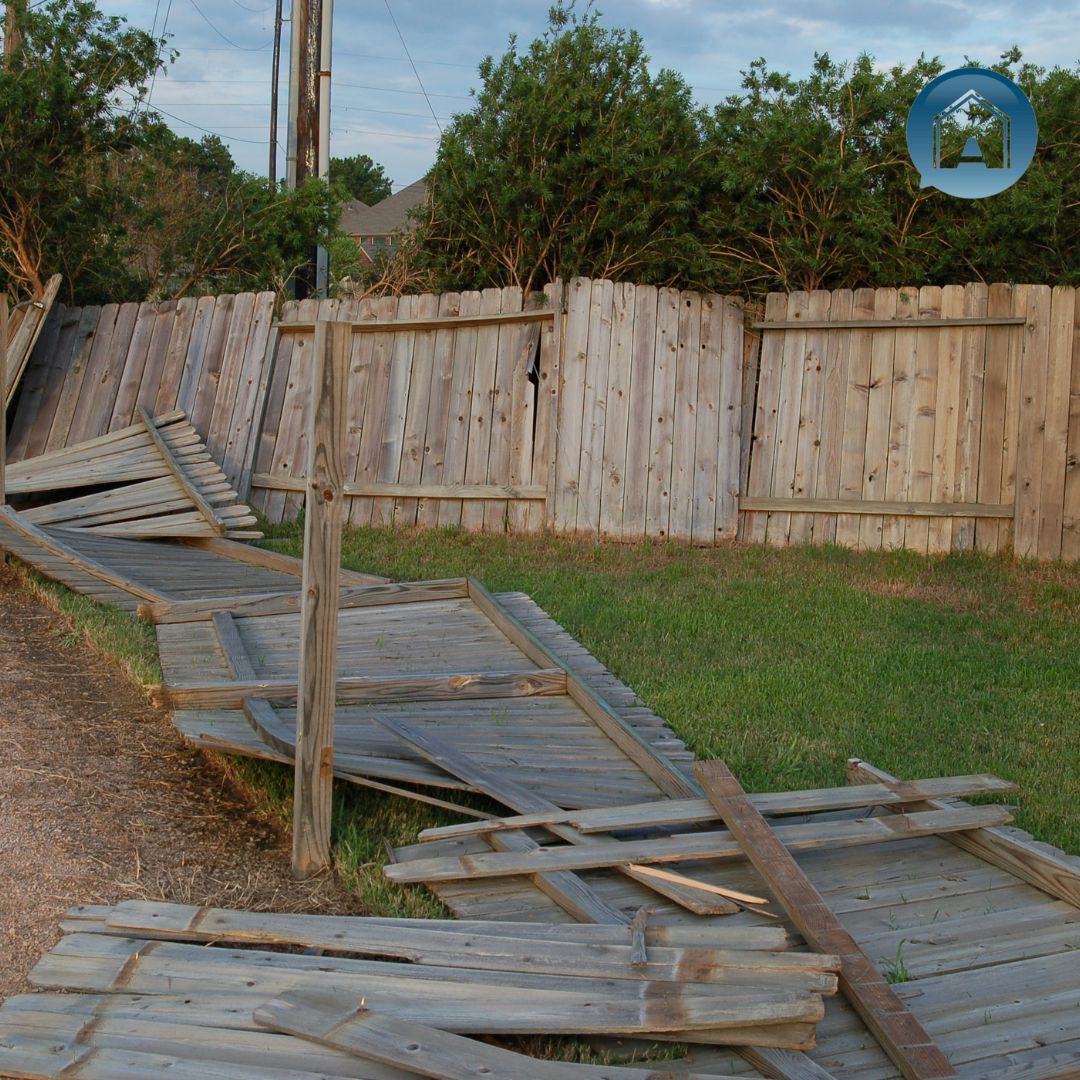
              Storms like Dudley, Bert, and most recently Darragh may sound like friendly neighbours, but their impact on your garden can be far from pleasant. High winds and heavy rain can wreak havoc on fences, leaving them broken, leaning, or completely flattened. At ASK Building & Repairs, we know how disheartening it can be to see your fence in ruins. But don’t worry—we’re here to help you get your garden back to its best.

              Here’s a step-by-step guide from your trusted Derby builders on fixing a storm-damaged fence.


              1. Prioritise Safety First

              Before attempting any repairs, ensure the area is safe for you and your family. If strong winds are still blowing, it’s best to wait until conditions calm down. A damaged fence can be unstable, so approach it cautiously.

              • Remove loose panels: If a panel is hanging precariously, carefully remove it to prevent it from causing further damage or injury. Lay it flat in a safe spot.
              • Secure loose items: Move garden furniture, plant pots, or other objects that could be damaged or create hazards. Items like trampolines should be tied down securely.
              • Temporary fixes for pets: If your garden isn’t secure, use a temporary wire fence to block any gaps and keep your pets safe.

              2. Assess the Damage

              Once the immediate risks are dealt with, take a closer look at the damage. Note the following:

              • Broken panels: Are they splintered, warped, or entirely unusable?
              • Posts: Check whether the fence posts are leaning or have snapped, especially at the base.
              • Discolouration or rot: Look for signs of water damage or decay that could weaken the structure.
              • Fastenings: Examine the clips, nails, or screws holding the panels in place.

              If more than 20% of your fence is damaged, you might want to consider replacing it entirely. Extensive repairs can sometimes cost as much as a new fence without providing the same durability or lifespan.


              3. Repairing Individual Fence Panels

              If only one or two panels are damaged, you can likely repair or replace them without much hassle.

              • Tools and PPE: Grab a sturdy pair of gloves, safety goggles, a hammer, screws, and possibly a hacksaw.
              • Removing damaged panels: If the panels are held by U-shaped clips (metclips), unscrew them carefully. If nails are used, cut through them to free the panel.
              • Replacing panels: Install new panels by sliding them into place within the metclips. Secure the clips with screws at the top, middle, and bottom of each post.
              • Fixing panels: If the panel isn’t completely destroyed, repair cracks with specialised wood glue or screws. However, replacement is often a more durable option.

              4. Check and Repair Fence Posts

              Fence posts are the backbone of your fencing system, so it’s crucial to ensure they’re secure.

              • Inspect below ground: Wooden posts that appear undamaged above ground could still be rotten or unstable at the base.
              • Concrete posts: If you’re looking for durability, consider switching to concrete posts. These provide extra strength against future storms.
              • Repositioning posts: If a post has leaned but remains intact, it may be possible to straighten it by digging around the base, realigning it, and packing it back with soil or concrete.

              5. Secure the Entire Structure

              Once your repairs are complete, check that the entire fence is sturdy. Shake each post gently to ensure it’s solid. Reinforce any areas that feel weak or loose.


              Why Choose ASK Building & Repairs?

              At ASK Building & Repairs, we’ve helped countless Derby homeowners restore their fences after storm damage. We provide professional assessments, high-quality materials, and reliable repairs that stand the test of time.

              If you’re unsure whether your fence needs repairing or replacing, or you simply don’t have the tools or time to do it yourself, leave it to us! We offer a hassle-free service to take the stress out of storm damage repairs.


              Let’s Restore Your Garden with Fence Repairs in Derby!

              Don’t let storm damage ruin your outdoor space. Whether it’s repairing panels, securing posts, or replacing an entire fence, ASK Building & Repairs is here to help. Contact us today for professional, local service you can rely on.

              Get in touch with ASK Building & Repairs
              📞 07773 019 410
              📧 info@askbuildingandrepairs.com.
              🌐 askbuildingandrepairs.com

              Protect your garden and your peace of mind with ASK Building & Repairs—the trusted choice for Derby homeowners. Let us do your fence repairs in Derby.

              Can you replace windows because they are letting in a draught?

              Window repairs in Derby

              Draughty windows can be a real problem, especially during the colder months when you want your home to feel warm, comfortable, and secure. Not only do they let in unwanted cold air, but they can also lead to increased noise levels and significantly higher energy bills. If you are in Derby we can replace your windows thanks to our network of contacts and team expertise.

              Window Repairs in Derby and East Midlands

              Fortunately, in many cases, draughty windows can be repaired without needing to replace the entire unit. At ASK Building & Repairs, we understand the frustration of dealing with draughty windows, and we’re here to help you identify and fix the issue.

              Here are some of the most common causes of draughty windows and how they can be addressed:

              1. Faulty or Worn Window Hinges

              Over time, window hinges can experience wear and tear, particularly in rooms where windows are opened and closed frequently. If the hinges are no longer able to pull the window casement tightly shut, you may notice gaps along the hinged side, which let in cold air. In more severe cases, the hinge itself may snap or degrade entirely.

              How We Can Help: The good news is that most UPVC window hinges are replaceable. Our team at ASK Building & Repairs can assess the condition of your hinges and install the right replacements to restore a proper seal, eliminating those unwanted draughts.

              2. Perished or Damaged Window Gaskets

              The rubber gasket, or seal, around the edge of your window casement plays a vital role in keeping out draughts. Over time, this rubber can become brittle, crack, or perish, which compromises the seal and allows cold air to enter your home.

              How We Can Help: In most cases, the old gasket can be removed, and a new one installed. While there are many different types of gaskets used in the window industry, our team carries a comprehensive sample pack to ensure we can find the right fit for your windows. This ensures a snug, draught-free seal.

              3. Issues with the Locking Mechanism

              A properly functioning locking mechanism is crucial for ensuring your windows close tightly. The locking mechanism comprises the handle, gearbox, and drive gear. Over time, these components can wear out, particularly in windows that are used heavily. If the gearbox fails or the locking system isn’t aligned correctly, your window may not seal properly, leaving you with a draught.

              How We Can Help: Our experts can determine whether your locking mechanism needs an adjustment, a service, or a full replacement of the gearbox. Restoring the locking system will ensure your windows are secure and draught-free.

              4. Misaligned Glass or Window Frame

              Sometimes the issue lies with the installation or manufacturing of the window itself. If the window frame is not square or has shifted over time, the casement may not align correctly with the frame, making it impossible to achieve a proper seal.

              How We Can Help: In many cases, we can help reposition the frame to ensure it is square and aligned correctly. While this type of repair requires further investigation, our experienced team at ASK Building & Repairs will carefully assess the issue and recommend the most effective solution.

              Why Repair Instead of Replace?

              Many people assume that draughty windows automatically need replacing, but that’s not always the case. Repairs are often more cost-effective, faster, and less disruptive than a full window replacement. By addressing specific issues like hinges, gaskets, or locking mechanisms, you can restore your windows’ functionality and keep your home warm without the expense of entirely new windows.

              At ASK Building & Repairs, we’re proud to offer professional, reliable solutions to homeowners in Derby and the surrounding areas. We’ll help you identify the cause of your draughty windows and provide tailored repairs to suit your needs.

              In Summary – We can replace your windows in Derby

              Draughty windows can be annoying and costly, but they don’t have to be a permanent problem. From worn hinges to damaged gaskets, the most common issues can be resolved with expert repairs. If you’re experiencing draughts, don’t wait for the problem to worsen. Contact ASK Building & Repairs today, and let us help you restore warmth, comfort, and energy efficiency to your home.

              Trust ASK Building & Repairs for all your home improvement needs. We’re here to help you replace windows from our Derby base, but we’ll travel anywhere!