Top 6 home repair jobs to tackle in the spring

Home Repair Jobs are in Derby

Winter is rarely kind to our houses and gardens. Cold temperatures, rainstorms, overnight frosts and strong winds all take their toll and often leave us with a list of home repairs to tackle when spring finally emerges. While some jobs are easy to spot, some require a little more attention so the damage doesn’t escalate and leads to more expense. Find out from ASK Building & Repairs what the best home repair jobs are to undertake in Spring.

What are the best home repair jobs?

There will always be aspects of your home that need maintaining, but the longer days and lighter evenings make spring the perfect time to fix issues that have been neglected over winter and help to get it to summer ready.

Check your roof for damage

Our roofs are in the firing line regarding bad weather, so once the winter months are behind us, having them checked is a good idea to identify any repair work needed. In some cases, you might notice some tiles missing or the flashing around your chimney has come loose. But there might be some damage that isn’t quite so obvious, which could still cause leaks if it continues to be neglected. While it can be tempting to inspect your roof yourself, it’s a job that’s best left to the professionals who will be used to working at height and have the experience to handle and replace any missing tiles. Attempting the repair work yourself is dangerous, but you could cause more damage and dislodge other tiles.

Give your gutters a clean

Because they’re above eye level, our gutters often get forgotten, but they mustn’t be ignored altogether. Over the autumn months, they often become blocked with leaves, mud and other debris, which can stop them from draining correctly and lead to dampness and mould. From an aesthetic point of view, gutters clogged with grime aren’t a pretty sight and could mark the facias on your roof. Even if you’ve had your gutters cleaned during the winter, the weather conditions they’re exposed to often causes the problems to resurface, so it’s worth getting them looked at to remove any remaining sludge that could cause them to clog up and overflow.

Make plans for the garden

As a rule, we don’t spend much time in our gardens over winter, so they don’t tend to look their best by the time spring comes around. Mowing the lawn, replanting flowers and tidying the hedges are all jobs that can be done during the lighter evenings, along with dusting down the patio furniture, so it’s ready to use. Spring is also the perfect time to plan if you want to change your garden by adding decking, paving slabs or a new patio. Because landscape gardeners often get booked up in advance, it’s wise to book the work early so you can enjoy the changes you’ve made when the weather warms up.

Repaint and home repair jobs like fences

Continuing with the theme of gardens, if your fence has cracked or panels have become loose over winter, you might need to commission some repair work to make it more secure. Harsh weather conditions such as rain, sleet and strong winds can all impact the strongest fences and mean they need a bit of TLC in the springtime. Sometimes, repainting is enough to recondition your fence and give it a makeover. Still, there will be occasions when it needs fixing by professionals who can replace broken posts and panels to certify its safety.

Turn off the heating and check on the plumbing

Although the increased cost of living has meant many of us have had the heating on less than normal, when the thermostat is down or turned off completely, it’s an excellent opportunity to address any plumbing issues. Bleeding your radiators, unclogging drainpipes or investigating any slow water leaks are all jobs worth ticking off your list before they begin to present problems or cause damage to your property. It’s also worth noting that the demand for plumbers is less in spring compared to the winter months, so if you do need any work done, the good news is that it will be easier to get it sorted quickly before costs escalate further.

Paint the outside of your house

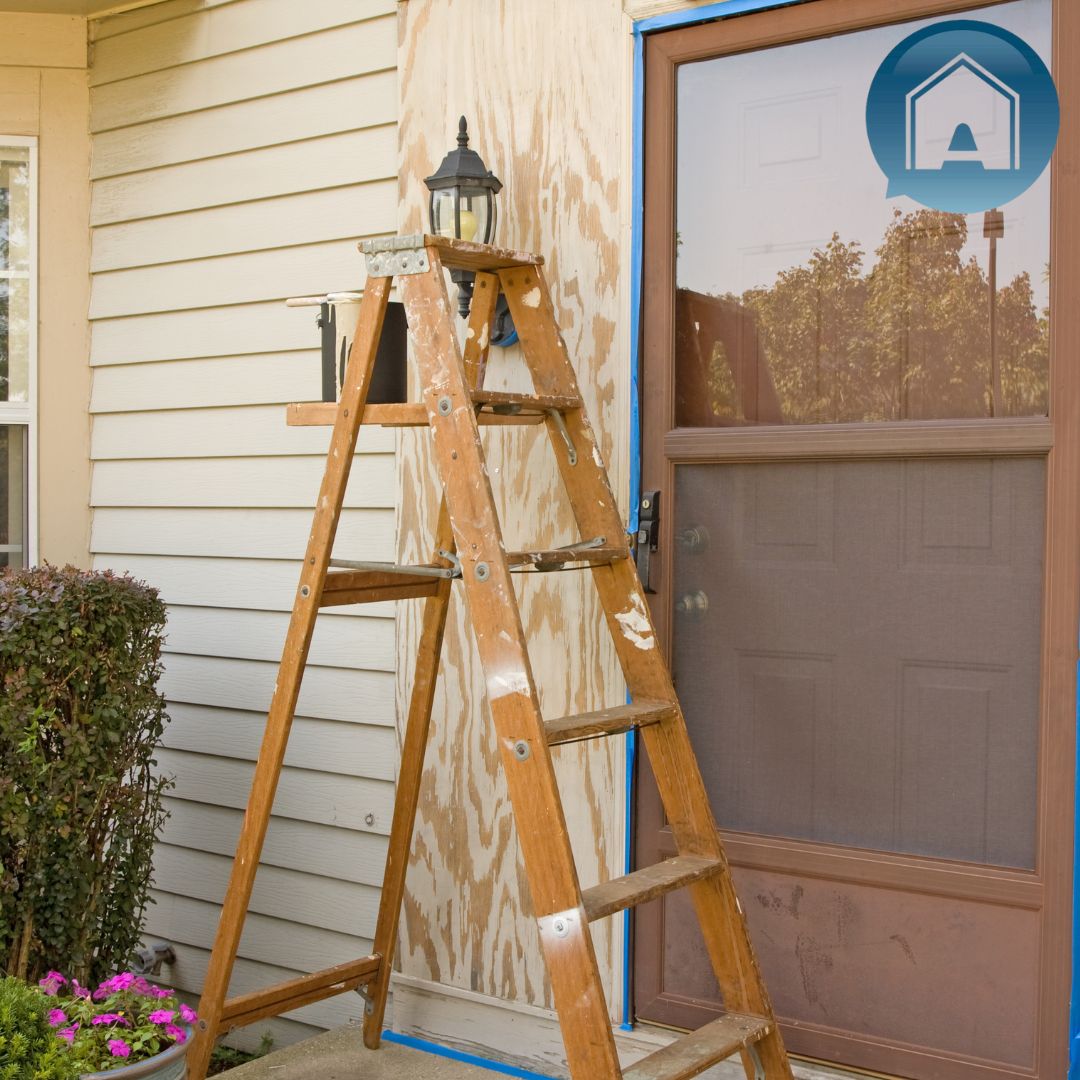
Although you can paint outside your home at any time during the year, it’s a job that best lends itself to mild weather. Cold temperatures can cause fresh paint to grow mildew or stain due to excess moisture, and hot weather can lead it to dry too quickly, then blister and crack. The spring climate provides the perfect middle ground to freshen up your house’s exterior because the heat isn’t too extreme, and frosts should be over and done with. Giving your paintwork a revamp will also mean your home looks its best in time for the summer months when you’re most likely to spend time outside and appreciate the exterior of your house.

Want some advice on home repair jobs?

If you’d like some advice on any of the maintenance tasks around your home and garden, ASK Building & Repairs are happy to help. We can look at your property if you’d like a no-obligation quote or give our professional opinion if you’re unsure whether you need the repair work done. You can contact us by calling 07773 019 410 or sending an email to info@askbuildingandrepairs.co.uk.

Why spring is the perfect time to re-do your garden

Why winter is the best time for garden improvements

We tend to think about the garden improvements we’d like to make during the warmer months. Once the sun starts to shine and it’s warm enough to sit outside, we often turn our attention to the jobs that need doing and wonder whether it’s time to add that new decking, invest in a patio or even have the garden landscaped. But as much as summer can turn our attention to the outside of our homes, it is often too late to get the work done in time.

Garden Improvements in Derby

Although many businesses that provide gardening services in Derby receive the most enquiries during the summer, you might be surprised that the colder months are the best time to book the work you’d like. Knowing what changes you’d like to make to your garden when it’s cold and neglected over winter might be challenging, but here’s why thinking ahead can help.

Shorter turnaround times for Garden Improvements

If you contact a garden maintenance company in June because you’re interested in making improvements, there’s a good chance they’ll already be booked up. This could mean the transformation you’d dreamed of won’t be ready until later in the year when summer has passed, especially if the job is complex.

By planning and contacting businesses that provide gardening services in the early spring, you’ll be much better positioned to enjoy your new garden in the summer. No one wants to sit out on a warm evening with their garden in disarray because it’s being worked on. But by booking ahead in the cooler months, you’ll be able to appreciate the improvements that have taken place and really make the most of your garden once summer hits.

Garden Improvement materials are easier to source

Amid summer, garden materials are in high demand. For gardeners, getting hold of the right goods when needed can sometimes be easier said than done and lead to delayed projects. During the cooler months, these materials aren’t as sought after, meaning suppliers have a better chance of delivering them in the identified time period.

This is especially important if gardeners are working on a big transformation and don’t always know at what point in the project they’ll need certain materials. By booking in the work during quieter periods, suppliers will be more likely to keep up with demand and have the materials available when gardeners need them.

You don’t use your garden as much when it’s cold

When your garden is being worked on, things can get untidy. The digging up of soil and clearing of greenery can be messy, so your garden is often out of bounds when a project is being completed – hardly an ideal situation during the summer when you want to use it the most.

Because improvements to our gardens can make things seem a little disorganised when the project is in full swing, it’s best to book the work in when they’re in low use. By opting to have the work completed in the spring when temperatures can still be quite low, it won’t seem as inconvenient because you won’t be using your garden as much when it’s still a bit cold and damp outside.

Gardening projects can be more difficult in the summer

The ground tends to be softer in the winter and spring months before the high temperatures kick in, which is much easier for gardeners to work with. Whether you’ve chosen a patio, a new fence or decking, excavating the ground will be much quicker and easier if it isn’t rock-hard or very dry because of the sun. What’s more, shrubs and foliage often need to be moved during gardening projects, and they’ll be better protected if they’re not dug up and re-planted at the height of summer.

Learn more from ASK Building

If you’d like to learn more about how ASK Building and Repairs can help transform your garden, please call us on 07773 019 410 or email info@askbuildingandrepairs.com, and we’ll answer any questions that you have.

Why does your roof leak when it snows?

ASK Building & Repairs offer roofing repairs.

Snowy weather isn’t what we usually expect in March, but England’s climate is anything but predictable and often has the potential to surprise us. As well as experiencing icy pavements, frozen pipes and slushy roads, it’s quite common to find that your roof leaks after a spell of snow, even if this doesn’t happen when it rains. That is when you need to look for a company that excels in roof repairs. For many homeowners, this can come as a shock, but there is a logical reason why your roof only leaks when it snows, and there are things you can do to prevent it.

What is ice damming?

When snow and ice freeze down by the gutter line on your roof, it creates a blockage. Once the snow melts, the water can’t drain generally because the gutter is clogged, causing it to build up. Instead of running away from the house, water backs up in areas that aren’t designed to hold a substantial amount until it eventually begins dripping into your home. The good news is that this doesn’t necessarily mean there’s a problem with your roof, but it does mean that the ice will need to thaw out for the problem to subside entirely and the water to stop dripping.

Is there anything to stop the roof from leaking when it snows?

Once the ice has begun to clog up the gutter, there’s very little you can do to stop it. If this happens, then you would likely need roof repairs. After it has thawed and the snow has subsided, it’s a good idea to ask a roofer to come to your home to ensure the roof isn’t damaged in any way or needs repair. As tempting as it might be to try and clear some of the ice yourself, it’s not an idea that you should try at home.

Not only is working at height a significant safety risk, but you could also inadvertently cause more damage to your roof and incur extra expenses. A rake can clear the snowfall off the roof before it freezes, but if you attempt this, use one with a long handle, so your feet stay firmly on the ground. It’s also worth placing a bucket or container under the roof to catch the water as it begins to thaw, so it doesn’t freeze on the walkway underneath and cause people to slip over.

Can you prevent the roof from leaking when it snows in the future?

As a rule, we don’t experience too much snow in England and aren’t subject to harsh winters (although they do seem never-ending sometimes!) However, there are things we can do to prevent ice damns from occurring when it does snow and limit the potential damage it can cause.

As much as it’s easy to neglect our gutters, clearing them regularly is good practice to remove the build-up of leaves and debris. ASK Building & Repairs often repair gutters and roofs whenever we can. This will help water to drain away from your roof before it pools and has a chance to freeze into an ice dam. If your loft is insulated correctly, this can also help slow down the freeze/thaw cycle and keep the warmth inside where it belongs. When heat transfers from the attic to the snow on the roof, it speeds up the rate at which it melts and causes it to pool where it shouldn’t. By insulating your loft, you’ll benefit from keeping ice dams to a minimum while helping reduce your energy bills.

Contact us for Roof Repairs from ASK Building & Repairs

If you want to learn more about roof repairs and insulation or suspect your roof could be damaged, please get in touch with us at 07773 019 410, and we’ll gladly offer advice. You can also email info@askbuildingandrepairs.co.uk if you have any questions or want to send over any photos of your roof or guttering for us to look at.

Fix Broken Tiles On A Roof: How It’s Done

ASK Building & Repairs can help to fix broken roof tiles

Fixing broken tiles on a roof might sound like a straightforward task, but if it’s not executed properly, it could further damage your property. A cracked tile won’t be watertight, so it’s best practice to replace it with an identical one to avoid extensive water damage and maintain your roof’s appearance. If you’re used to working at height, mending roofs and replacing broken tiles can be dangerous. So, what’s the best way to fix a broken roof, and how do tiles get damaged in the first place? Below, ASK Building & Repairs, your local builders in Derby, explain a little more about what needs doing.

How do roof tiles break?

Clay roof tiles are designed to be long-lasting and weather-proof. However, several factors can cause them to deteriorate:

  • Improper installation – If roof tiles are not installed correctly, they will be more suspectable to damage in extreme weather conditions. Even a minor error can enable rainwater to infiltrate the roof structure, which could cause further damage and water leaks.
  • Impact on the roof – If it’s exceptionally windy, debris and branches can land on the roof and cause the tiles to crack under the impact. As much as tiles are designed to be robust, any applied weight can cause them to break, meaning walking on them for any reason could also damage your roof.
  • The life span of tiles – Like most things in life, tiles age over time and show signs of wear and tear. In older roofs, the discovery of cracked tiles could mean that further repairs are needed or that the structure has started declining.

Whatever the cause, broken roof tiles will need replacing with new ones before they suffer extensive damage and cause further water leaks.

Leave it to the professionals

If you’re confident with DIY, fixing a cracked roof tile might seem a simple solution. But the reality is that it’s a dangerous and complex task that’s best left to professional roofers who are used to working at height. Not only will they have the correct tools and equipment, such as crawling boards or ladders required to meet the necessary safety standards, but they’ll also be able to fix the broken tiles without damaging adjoining ones. Because they have experience repairing roofs, you’ll also benefit from their knowledge and advice if they identify any other structural issues requiring attention.

As well as being a much safer approach to mending broken tiles, consulting a qualified roofer will also give you peace of mind that the repair work has been completed to a high standard. The last thing you want is to cause more damage to your roof by stepping on other tiles while trying to complete the repair or installing the new one incorrectly.

Can roof tiles be fixed rather than replaced?

Although you can buy tile repair kits at DIY stores or online, the general rule is that a broken roof tile should be replaced with a new one. As tempting as it can be to try alternative solutions, such as using sealants or adhesives to secure the crack in the tile, this isn’t a sustainable long-term plan.

These products might look like they’d do the job well, but they’re only suitable for fixing tiny scratches or nicks in a roof tile. Regardless of what their packaging might say, they will not make a cracked tile watertight for long. As tempting as it can be to have a go at repairing broken tiles yourself and save the cost of calling out a professional roofer, it has the potential to be a risky job that could compromise personal safety and cost more money in the long run.

Get in contact about using ASK to fix broken tiles on a roof

If you have broken tiles on your roof and want to learn more about getting them repaired, please call ASK Building and Repairs at 07773 019 410 or email info@askbuildingandrepairs.com. We’ll happily come out to your property to look at the problem and provide you with a no-obligation quote that will cover all aspects of the repair.

Who to call if you have a water leak

ASK Building & Repairs help companies with a water leak

As much as a water leak is a major inconvenience, they are extremely common and have the potential to cause extensive damage to your home if they’re not dealt with properly. According to the Association of British Insurers, approximately £1.8 million is paid out daily due to water damage.

Minimising the damage of a leak

However, the good news is that responding quickly to a leak can minimise the repercussions and the amount of restoration work you need. As a local business offering building repairs in Derby, we want homeowners and tenants to be aware that a leak isn’t always the huge gush we often associate with water damage and that the right steps can make a huge difference to the costs incurred.

Signs that you could have a water leak

Water leaks are sneaky because they can often present themselves as slow drips after a shower, a damp smell or mildew. They could be so subtle that you may not even be sure you have a water leak, but there are signs to look out for. If you notice a drop in water pressure or flow from your taps, it could indicate that you have a leak somewhere in your property. This is because if a pipe or water pump becomes blocked, the water pressure increases, causing the pipe to expand and then break.

A sudden increase in your water usage with no explanation is another sign to be aware of, as is a waterlogged area in your garden or noise coming from the pipework. In more severe cases, a surge of water or a heavy drip through the ceiling will be much more obvious and require swift action to keep damage to a minimum.

What should you do to reduce the water damage in your property?

Whether it’s a slow drip or a more obvious stream of water, the first thing to do when you notice a leak is to turn off the water supply. This can be done by locating the stopcock (usually found under the kitchen sink) and turning it anti-clockwise. Once this has been completed, it’s a good idea to drain the pipes by turning on the cold tap and leaving it on until the water stops running. Because DIY plumbing rarely produces good results, calling in the services of a professional is the quickest and most efficient way to solve the problem. A delay in contacting a qualified plumber could lead to more damage if the leak escalates and ultimately become more costly.

Having a water leak

If the restoration work you need looks extensive, it’s also worth considering the expertise of a business that can arrange the repairs and liaise with the insurance company on your behalf. Having a water leak can be stressful enough as it is without the added admin, so having someone who can arrange all aspects of the process can save you time and money and take the weight off your shoulders.

If you suspect a water leak in your home or property or would like to speak to us about organising repair work as part of your insurance claim, you can call ASK Building and Repairs at 07773 019 410 or email to info@askbuildingandrepairs.com.