Why your boiler might cut out in Winter

Boiler repairs in Winter: Why do boilers break?

Winter has arrived, and it’s that time again when we rely on our heating systems to keep our homes warm. At ASK Building & Repairs, we understand how frustrating it can be when your boiler decides to act up, leaving you bundled up in blankets while waiting for a repair engineer. Let’s explore some common reasons boilers break down during winter and how to address these issues.

Low Boiler Pressure

One frequent call we receive is about low boiler pressure. If you notice that the gauge’s pressure is lower than usual, it could indicate a leak. Locating leaks can be tricky, but it’s crucial to address them promptly. While you might use temporary solutions like tape to cover a leak, it’s essential to have a professional plumber assess and fix the issue.

Frozen Pipes

Winter in the U.K. can be harsh, and freezing temperatures can wreak havoc on various parts of your home, including boiler pipes. The condensate pipe, responsible for carrying condensate from the boiler to the outside drain, is particularly vulnerable. When this pipe freezes, it can become blocked, potentially leading to severe boiler damage. If you suspect frozen pipes, seek professional assistance to prevent further complications.

Strange Noises

Boilers naturally make some noise but sounds like banging, knocking, gargling, or whistling could cause concern. These noises are often attributed to air in the system, which can lead to more significant issues if not addressed promptly. Never attempt to fix these problems yourself—always consult a qualified boiler technician who can handle potential safety risks associated with boiler repairs.

Boiler Breakdown

Ignoring the issues mentioned above may eventually result in a complete breakdown of your boiler. While this doesn’t necessarily mean your appliance is beyond repair, the associated costs can accumulate quickly. Regular boiler servicing protects against winter-related breakdowns, ensuring your heating system operates smoothly.

Is Your Boiler Winter-Ready?

To avoid last-minute struggles in finding an engineer during the colder months, consider contacting ASK Building & Repairs. Our app connects you directly with experienced plumbers and heating professionals. While we always advise against DIY boiler repairs, our experts can guide you through common plumbing issues via cost-effective video calls. Many heating problems can be resolved with professional assistance, from fixing leaks to addressing broken radiator valves.

Speak to ASK Building & Repairs

Visit our website for more information, and don’t hesitate to contact us. We’re here to ensure your boiler is winter-ready and keeps you warm throughout the season.
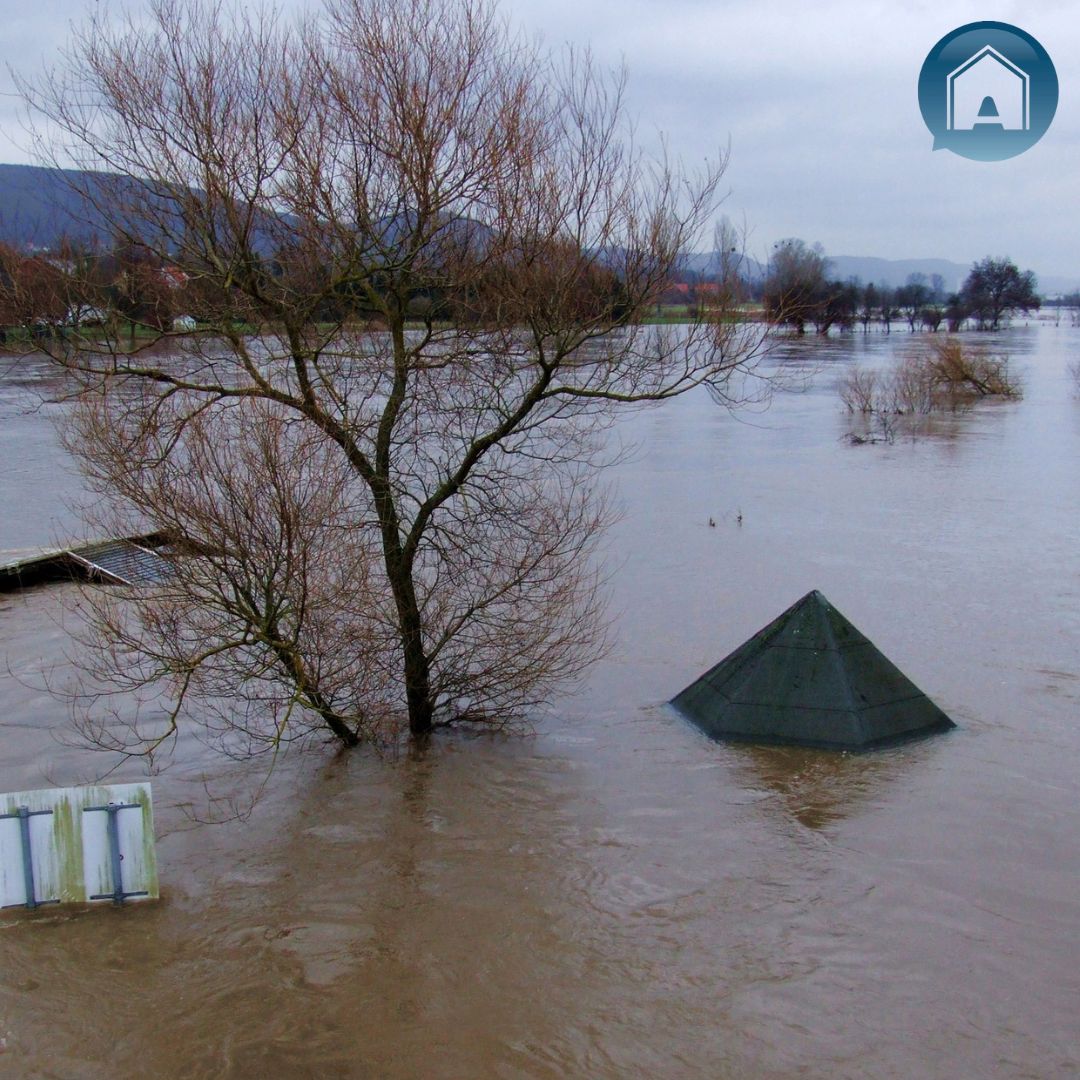
In need of building repairs after the floods?

Building repairs from floods - ASK Building Repairs

If your business is in need of building repairs as a result of the floods that have affected Derbyshire recently, ASK Building & Repairs can help you. Our team works around the clock to provide quotes and repairs for any homeowners or business premises that are in need of repair. As a local Derby business, we know what impact the floods can have on the local area and how businesses can be affected. It is soul-destroying and often expensive. That’s why we, as Derby-based builders, will help you if you are in need of building repairs after the floods.

In need of building repairs after floods?

Whilst a flood can impact your car, it can also destroy your home or building. A car can often be repaired after drying out, and we know there are always alternative modes of transport. However, with a house or business premises, things are slightly different. If floods ruin your home, then you can be without warm water, electricity, heating and all the essentials that you need to live.

You would struggle to have a home-cooked meal as well, meaning your quality of life would not be great. Therefore it would be vital to get back up and running as soon as possible. ASK Building & Repairs has experience in getting houses and offices back to a liveable standard in no time. All we need from you is to get in contact with our team, and we’ll come out and give you a quote.

Local repairs in Derby

At ASK, we’ve been around for years. Just ASK our loyal customers who have been using our building repair services around Derby for what seems like forever. Our reviews speak for themselves, and our socials are always producing the goods, letting you know how we can help. We are also able to showcase how we have helped people in the Derby area, particularly those who have been affected by the floods.

But what repairs are needed after a flood? Well, sometimes it can just be a paint job to get the building looking back up to scratch. Whilst this sounds simple, it can be time-consuming. That’s why our painting professionals are on hand to help you.

What else do we do?

Other aspects of our work include roofing repairs. Could a flood really affect your roof? The flood might not, but it might damage the construction of the building. Additionally, the horrendous weather that usually leads to a flood would have more of an impact on the roof. It can result in leaks or it caving in. That’s when our roofing repair service would be able to help you.

Additionally, there could be a case where you might need a garden repair service. If your garden has been destroyed then a gardening service would certainly help you get your garden back on track for the summer. Everybody needs a garden in the summer, and there is no time like the present to get it sorted. One of our recommendations, if you are looking to get garden or building repairs after flooding, is simply to get in contact with our team.

Building repairs from floods – Get in touch

Get in touch with ASK Building & Repairs today. We’re here to help you with whatever you need. Speak to us at ASK and we’ll get back to you when we can.

Understanding the Hazards of Mould

ASK Building & Repairs can help you to paint over mould in buildings

Health Risks Associated with Mould in Buildings

It’s essential to be aware of the potential health risks linked to mould in buildings. Exposure to mould can lead to various health problems, including allergies, respiratory problems, and even infections. It is important that you find the right professionals in place to undertake the work that is required.

Allergic Reactions to Mould

Inhaling mould spores can trigger allergic reactions, such as sneezing, coughing, and itchy eyes. For individuals with pre-existing respiratory conditions like asthma or chronic obstructive pulmonary disease (COPD), mould exposure can exacerbate their symptoms and make breathing difficult.

Toxic Effects of Mycotoxins

Furthermore, certain types of mould produce mycotoxins that can have toxic effects on the body when ingested or inhaled.

Preventing Mould Growth in Buildings

To mitigate these health risks, it is vital to practice effective mould prevention techniques. Keep your home well-ventilated by opening windows or employing exhaust fans in areas with high humidity, such as bathrooms and kitchens. Promptly rectify any leaks or water damage to prevent moisture accumulation that promotes mould growth. Additionally, maintaining a clean and dry environment by regularly cleaning surfaces prone to dampness can discourage mould formation.

Identifying and Treating Mould Infestations

Challenges in Identifying and Treating Mould

Identifying and treating mould infestations can be a daunting task, but it is vital to address them promptly. Mould not only harms the affected area but also poses health risks to those exposed to it.

Steps to Deal with Mould

To effectively handle mould, consider the following steps:

  1. Thorough Property Inspection: Conduct a comprehensive examination of your property, paying close attention to areas susceptible to moisture and dampness.
  2. Protective Measures: Utilise appropriate protective equipment, such as gloves and masks, when cleaning mould-infested areas.
  3. Mould Removal: Eliminate visible mould by scrubbing surfaces with a mixture of bleach and water.
  4. Preventive Measures: Implement proper ventilation and humidity control measures to prevent future mould growth.

Preventing Mould Infestations

Equally important is preventing mould from appearing in the first place. Take preventive measures such as reducing indoor humidity levels, promptly repairing leaks, and ensuring proper ventilation throughout your home.

Proper Preparation for Painting Over Mould in Buildings

Ensuring Adequate Preparation

Properly preparing the surface before painting over mould is crucial to ensure long-lasting results.

Steps for Preparation

Commence by wearing protective gear, including gloves, goggles, and a face mask, to avoid exposure to harmful spores.

Next, clean the affected area using a mixture of water and detergent or a specialised mould cleaner. Remove any visible mould and allow the surface to dry completely.

Once dry, apply a high-quality primer specifically designed for use on mould-prone surfaces. This will help seal the area and provide a sturdy foundation for your paint.

Lastly, opt for a paint formulated with anti-mould properties for enhanced protection against future growth.

Tips for Effective and Long-lasting Mould Paint Coverage

Selecting the Right Paint

To achieve effective and enduring coverage, it is essential to choose a high-quality primer specifically tailored for mould-prone surfaces. This will ensure that the paint adheres well and offers maximum protection against mould regrowth.

Tips for Effective Mould Paint

  1. Choose Anti-Mould Paint: Seek out paints with additives or ingredients specially crafted to inhibit mould growth.
  2. Opt for Moisture-Resistant Paints: Moisture is a common contributing factor to mould growth, so selecting a paint that is resistant to moisture can help prevent future issues.
  3. Apply Multiple Coats: The application of multiple coats of paint will supply an extra layer of protection against mould and enhance durability.
  4. Maintain Adequate Ventilation: Proper air circulation can aid in preventing moisture buildup, which fosters mould growth.

Final Thoughts on painting over mould

Understanding the Process

So, can you paint over mould? The answer is yes, but you still need to be cautious.

Prioritising Safety and Effectiveness

While painting over mould might appear to be a quick solution, it is crucial to comprehend the associated hazards and take proper precautions. Identifying and treating the mould infestation beforehand is vital for enduring results.

Addressing Underlying Issues

Moreover, ensuring proper preparation before painting will help guarantee effective coverage. While painting over mould may offer a temporary remedy, addressing the underlying issue is essential to prevent future growth and safeguard your health and home.

Roof Repairs in Derby: Keeping Your Home Dry and Secure

Roof Windows

Everyone has a to-do list. Cleaning, admin, DIY jobs, gardening, etc. The list goes on. And it’s never-ending. But regular roof maintenance shouldn’t be neglected or overlooked for too long. The roof on your home or property is exposed to the elements, so looking after it needs to be a priority. Our services include roof repairs in Derby, and a lot of the jobs we fix are small problems that have escalated into bigger ones. To avoid this happening to you, we’ve put together some roof maintenance tips that will help to keep your roof in good condition and avoid costly repairs in the future.  

Inspect your roof twice a year.

If your roof doesn’t get checked over, you won’t know about any issues or damage until it’s too late. In an ideal world, your roof should be inspected a couple of times a year. Early spring is a good time to do it after the harsh winter weather. And carrying out an inspection in autumn once the leaves have fallen is also sensible. To really keep on top of things, you should give your roof a check after a spell of bad weather to make sure there isn’t any noticeable damage. Look for things like broken tiles, debris, and rotting wood. Chances are this isn’t something you’ve thought about doing before, but it could save you thousands in the long run.

 If you’re not keen on heading up a ladder or you’re not sure what to look for when you get up there, you can always get the opinion of a professional. ASK Building & Repairs frequently deals with roof repairs in Derby and is fully insured to work at height so you can keep your feet safely on the ground.

Keep your gutters clear of debris.

If your gutters are clogged up, they won’t do their job properly. When leaves and general debris collect, water stops running away freely. This can lead to water damage, which has the potential to ruin the lower roof of your property. By regularly clearing out gutters (particularly in autumn when the leaves are falling), you can prevent water from overflowing and ruining your roof. in the way

Clogged gutters can also cause problems when it snows (we shouldn’t be expecting any just yet but you never know!). Ice that freezes by the gutter line can’t drain away if debris is causing a blockage, so won’t be able to drain when it thaws. This causes the water to back up until it eventually drips into your home. A contractor that provides roof repairs in Derby can check and clear your gutters if it’s a job you don’t fancy, and get it crossed off your to-do list.  

Trim back overhanging trees.

As well as collecting in guttering, debris such as tree branches and leaves can also get stuck to your roof. Overhanging trees, for example, often look nice, but can cause considerable damage to roof tiles in stormy weather. Trimming them back on a regular basis can stop branches from sitting or hanging over the roof. This can also reduce the number of leaves that collect and get stuck to the tiles. Cutting back trees isn’t always an easy or safe job, so speaking to a local tree surgeon, or garden maintenance service can help you with this task. Likewise, clearing away leaves that have built up can be difficult, so employing the help of a professional roofer can get the job done quickly and safely.

Replace broken tiles quickly.

If broken tiles have been spotted on your roof, make replacing them a priority. It can be difficult to get on top of things, especially when you have lots of jobs to do. But putting it off will only make your property more vulnerable to leaks, which means more water damage and bigger repair costs. If you have a cracked roof tile that’s causing a leak, replacing it is best left to the professionals. Not only will they have the correct equipment, but they will also have the experience to solve the problem safely, and without causing further damage to other roof tiles.

Contact ASK Building & Repairs in Derby.

If you’re worried about the condition of your roof and would like us to check it out before autumn and winter hit, please don’t hesitate to contact us. You can call ASK Building & Repairs by calling 07773 019 410 or you can send an email to info@askbuildingandrepairs.co.uk. We can arrange to come and view your property to take a look and advise on whether your roof needs some attention.

How can you improve your commercial premises?

ASK Building & Repairs offer great conversion work on your commercial premises if required.

Maintaining commercial premises isn’t always an easy task and can feel like a full–time job. From building work to improvements and repairs, keeping on top of things is a huge task, but it can be made easier with the help of a local builder.

As well as helping to make the right impression for tenants and visitors, improving your property can increase its value and make it more attractive to potential renters. Here we discuss what you can do to make the most of your commercial premises, why seasonal changes mean new maintenance jobs and how a local builder can take the pressure off your shoulders.

Think about kerb appeal

If someone is visiting your property, what they see will influence their perception of you. Whether it’s a client, an acquaintance or a potential employee, if they think your premises look run down and shoddy, this assumption won’t reflect well on you and could even affect your professional reputation.  

Begin by looking at the exterior of your building. Does the external paintwork need updating? Are any hedges and shrubbery kept tidy and trimmed back? And are the parking spaces clearly marked out?

You may not notice these things if you see them every day, but they’ll be spotted by visitors instantly. By speaking to a local builder such as ASK Building and Repairs, they can advise on how they can enhance your property’s kerb appeal so it makes the right first impression. 

Keep on top of seasonal maintenance tasks

Unfortunately, England isn’t known for its predictable weather and changes in the seasons mean a different reason to take care of your commercial premises. Spring, for example, is the perfect time to assess any landscaping or gardening work needed in time for summer. It’s also a good opportunity to look at exterior paintwork, tackle fence repairs and clear the gutters after the autumn months.

On the other hand, the darker nights of winter mean other jobs need attending to, such as ensuring there’s enough lighting in the car park and checking ice doesn’t build up on the gutter line of the roof. These are all tasks that can be done by a local builder or property maintenance company that will make sure your building looks its best and stays safe for visitors all year round. 

Upgrade the reception area

If you’re thinking of improving the inside of your premises, it’s wise to emphasise the reception space strongly because it’s the first area visitors will see when they walk in. Adding a skylight or blinds that can be kept open will make the most of the natural light, while a fresh lick of paint will also make a huge difference to the waiting area. No one wants to walk into a dark and dreary-looking building, so adding soft lighting could also be considered to create a welcoming and hospitable environment.

Other maintenance jobs such as plastering, electrical re-wiring and the installation of new doors all have the potential to improve a property and set the tone for the visitor’s expectations. Although confident DIYers may feel comfortable tackling some of these tasks, employing the help of a local building and repair company can save a lot of time and shorten never-ending to-do lists. 

Insulate your commercial premises

Thanks to energy costs shooting up over winter, many people insulated their homes to keep them warm. But the benefits of insulation aren’t restricted to domestic buildings and have the capacity to improve commercial premises too. As well as protecting against damp and mould growth, professionally installed insulation can reduce heating bills and lower a building’s ECP eating. This, in turn, can raise the property’s value and influence the decision to become a tenant.

Insulating a commercial building also creates a more comfortable environment for employees and visitors by preserving heat, maintaining a comfortable temperature, and reducing sound.

Speak to ASK Building & Repairs About Upgrading Your Commercial Premises

Suppose you’re interested in having your commercial property insulated. In that case, it’s worth speaking to a local builder who will be able to discuss the project’s logistics and answer any questions you have. 

Why does your roof leak when it snows?

ASK Building & Repairs offer roofing repairs.

Snowy weather isn’t what we usually expect in March, but England’s climate is anything but predictable and often has the potential to surprise us. As well as experiencing icy pavements, frozen pipes and slushy roads, it’s quite common to find that your roof leaks after a spell of snow, even if this doesn’t happen when it rains. That is when you need to look for a company that excels in roof repairs. For many homeowners, this can come as a shock, but there is a logical reason why your roof only leaks when it snows, and there are things you can do to prevent it.

What is ice damming?

When snow and ice freeze down by the gutter line on your roof, it creates a blockage. Once the snow melts, the water can’t drain generally because the gutter is clogged, causing it to build up. Instead of running away from the house, water backs up in areas that aren’t designed to hold a substantial amount until it eventually begins dripping into your home. The good news is that this doesn’t necessarily mean there’s a problem with your roof, but it does mean that the ice will need to thaw out for the problem to subside entirely and the water to stop dripping.

Is there anything to stop the roof from leaking when it snows?

Once the ice has begun to clog up the gutter, there’s very little you can do to stop it. If this happens, then you would likely need roof repairs. After it has thawed and the snow has subsided, it’s a good idea to ask a roofer to come to your home to ensure the roof isn’t damaged in any way or needs repair. As tempting as it might be to try and clear some of the ice yourself, it’s not an idea that you should try at home.

Not only is working at height a significant safety risk, but you could also inadvertently cause more damage to your roof and incur extra expenses. A rake can clear the snowfall off the roof before it freezes, but if you attempt this, use one with a long handle, so your feet stay firmly on the ground. It’s also worth placing a bucket or container under the roof to catch the water as it begins to thaw, so it doesn’t freeze on the walkway underneath and cause people to slip over.

Can you prevent the roof from leaking when it snows in the future?

As a rule, we don’t experience too much snow in England and aren’t subject to harsh winters (although they do seem never-ending sometimes!) However, there are things we can do to prevent ice damns from occurring when it does snow and limit the potential damage it can cause.

As much as it’s easy to neglect our gutters, clearing them regularly is good practice to remove the build-up of leaves and debris. ASK Building & Repairs often repair gutters and roofs whenever we can. This will help water to drain away from your roof before it pools and has a chance to freeze into an ice dam. If your loft is insulated correctly, this can also help slow down the freeze/thaw cycle and keep the warmth inside where it belongs. When heat transfers from the attic to the snow on the roof, it speeds up the rate at which it melts and causes it to pool where it shouldn’t. By insulating your loft, you’ll benefit from keeping ice dams to a minimum while helping reduce your energy bills.

Contact us for Roof Repairs from ASK Building & Repairs

If you want to learn more about roof repairs and insulation or suspect your roof could be damaged, please get in touch with us at 07773 019 410, and we’ll gladly offer advice. You can also email info@askbuildingandrepairs.co.uk if you have any questions or want to send over any photos of your roof or guttering for us to look at.

Who to call if you have a water leak

ASK Building & Repairs help companies with a water leak

As much as a water leak is a major inconvenience, they are extremely common and have the potential to cause extensive damage to your home if they’re not dealt with properly. According to the Association of British Insurers, approximately £1.8 million is paid out daily due to water damage.

Minimising the damage of a leak

However, the good news is that responding quickly to a leak can minimise the repercussions and the amount of restoration work you need. As a local business offering building repairs in Derby, we want homeowners and tenants to be aware that a leak isn’t always the huge gush we often associate with water damage and that the right steps can make a huge difference to the costs incurred.

Signs that you could have a water leak

Water leaks are sneaky because they can often present themselves as slow drips after a shower, a damp smell or mildew. They could be so subtle that you may not even be sure you have a water leak, but there are signs to look out for. If you notice a drop in water pressure or flow from your taps, it could indicate that you have a leak somewhere in your property. This is because if a pipe or water pump becomes blocked, the water pressure increases, causing the pipe to expand and then break.

A sudden increase in your water usage with no explanation is another sign to be aware of, as is a waterlogged area in your garden or noise coming from the pipework. In more severe cases, a surge of water or a heavy drip through the ceiling will be much more obvious and require swift action to keep damage to a minimum.

What should you do to reduce the water damage in your property?

Whether it’s a slow drip or a more obvious stream of water, the first thing to do when you notice a leak is to turn off the water supply. This can be done by locating the stopcock (usually found under the kitchen sink) and turning it anti-clockwise. Once this has been completed, it’s a good idea to drain the pipes by turning on the cold tap and leaving it on until the water stops running. Because DIY plumbing rarely produces good results, calling in the services of a professional is the quickest and most efficient way to solve the problem. A delay in contacting a qualified plumber could lead to more damage if the leak escalates and ultimately become more costly.

Having a water leak

If the restoration work you need looks extensive, it’s also worth considering the expertise of a business that can arrange the repairs and liaise with the insurance company on your behalf. Having a water leak can be stressful enough as it is without the added admin, so having someone who can arrange all aspects of the process can save you time and money and take the weight off your shoulders.

If you suspect a water leak in your home or property or would like to speak to us about organising repair work as part of your insurance claim, you can call ASK Building and Repairs at 07773 019 410 or email to info@askbuildingandrepairs.com.