Flooring Myths Debunked: Expert Insights from ASK Building & Repairs

Choosing your flooring for office spaces

Choosing the perfect flooring for your home or office is a big decision, and with so much advice floating around, it’s easy to get caught up in myths and misconceptions. At ASK Building & Repairs, we’ve seen firsthand how these misunderstandings can lead to less-than-ideal choices. Let’s set the record straight on some of the most common flooring myths to be debunked to help you make an informed decision for your home or office project.

Myth 1: Dark Floors Make a Room Look Smaller

Many believe that dark floors will shrink the visual space in a room, but that’s not necessarily true. While dark flooring can make a small, dimly lit room feel more enclosed, it can add depth and a sense of luxury to well-lit spaces. The secret lies in contrast—pairing dark floors with lighter walls and furnishings can create a visually stunning effect, making the room appear more expansive. Dark floors have the practical advantage of concealing dirt and scratches better than lighter options, which is a huge plus for high-traffic areas.

Myth 2: Hardwood Floors Are High-Maintenance

There’s a widespread belief that hardwood floors are difficult to care for, but that’s outdated thinking. Modern finishes and sealants have revolutionised hardwood maintenance, making it much easier to keep these floors looking great for years. A simple routine of sweeping and occasional mopping with a wood-safe cleaner is usually all that’s needed. When it comes to scratches, many can be easily sanded and refinished, giving your floor a fresh look without the replacement cost.

Myth 3: Laminate Flooring Looks Cheap

Gone are the days when laminate flooring looked artificial. Today’s laminate products are designed to closely replicate the look and texture of natural materials like wood, stone, or tile, often at a glance indistinguishable from the real thing. With advancements in printing and surface technology, laminate offers an affordable, durable, and stylish alternative to more expensive flooring options, making it a smart choice for homeowners looking to balance aesthetics with budget.

Myth 4: Carpet is Outdated

Some say carpet is a thing of the past, but that’s far from the truth. While hardwood and tile are popular choices, carpet remains a top contender, especially in spaces where comfort is key, like bedrooms and living rooms. Modern carpeting is more resilient, stain-resistant, and diverse in design than ever before. Whether you’re looking for something plush and luxurious or durable and practical, there’s a carpet out there to suit your needs. Plus, carpet offers added insulation and soundproofing, a benefit in colder climates or multi-story homes.

Myth 5: All Flooring Is the Same

One size does not fit all when it comes to flooring. Each room in your home has unique requirements, and selecting the right material is crucial. For example, hardwood may be perfect for a living room, but it might need to hold up better in a moisture-prone bathroom. Similarly, while carpet adds warmth to a bedroom, there might be better choices for a busy kitchen. When choosing flooring for each space, it’s essential to consider factors like foot traffic, moisture levels, and sunlight exposure.

Flooring Myths Debunked

At ASK Building & Repairs, we believe choosing the right flooring is more than just aesthetics—it’s about finding a solution that fits your lifestyle and stands the test of time. We hope to empower you to make the best choice for your home by dispelling these common myths. After all, the right flooring is the one that meets your specific needs, not just what’s trending.

What you need to remember for Commercial Building Projects

Commercial Building Projects

Managing health and safety compliance in commercial building projects is critical but builders like ourselves at ASK Building & Repairs. Navigating the complex web of legislation and regulations can be daunting, and understanding where responsibilities often need clarification can be challenging. To help streamline this process, this is a guide to health and safety compliance for commercial property that offers a comprehensive resource to ensure you have all bases covered, whether dealing with incidents or preparing for inspections.

What is Commercial Property Compliance?

Commercial property compliance ensures business premises operate according to relevant legislation, covering health and safety, fire risk, water treatment, heating and ventilation, and plumbing. Proper compliance minimises risks and ensures the safety of everyone who works in or visits the premises. Failure to adhere to these regulations can have severe consequences, including legal penalties, financial loss, and damage to reputation.

Why is Commercial Property Compliance Important?

Neglecting compliance obligations puts businesses and individuals at significant risk. When regulations are not followed, incidents are more likely to occur, potentially leading to injuries, legal action, and substantial fines. According to the Health & Safety Executive (HSE), numerous work-related injuries are reported annually, with some resulting in prosecutions and severe penalties for those responsible.

Who is Responsible for Commercial Property Compliance?

Depending on the lease agreement, the responsibility for commercial property compliance often lies with the property owner, landlord, and tenant. Landlords may be responsible for maintaining common areas and ensuring safety equipment is in place, while tenants are typically responsible for the safety of their specific business operations. Clear communication and understanding of these responsibilities are crucial for ensuring compliance.

Health and Safety Responsibilities of Commercial Landlords

Commercial landlords or property managers may have specific duties, especially in multi-tenant buildings. Responsibilities may include:

  • General building maintenance and safety of common areas.
  • Providing and maintaining fire safety equipment.
  • Ensuring electrical appliances are in good working order.
  • Providing safe drinking water and accessible toilets.
  • Maintaining HVAC systems and ensuring accessibility for people with disabilities.
  • Conducting regular risk assessments and maintaining gas appliances.

Tenants may also share some responsibilities, such as ensuring their workspaces are safe, conducting risk assessments, and maintaining equipment.

Commercial Property Compliance Legislation

Commercial property owners must adhere to several key pieces of legislation, including:

  • Health and Safety at Work Act 1974: Ensures the safety of employees and others.
  • Regulatory Reform (Fire Safety) Order 2005: Mandates fire safety standards.
  • Control of Asbestos Regulations 2012: Applies to all non-domestic premises.
  • Electricity at Work Regulations 1989: Ensures electrical safety.
  • Building Regulations: Sets standards for building safety.
  • Equality Act 2010: Prevents discrimination, including accessibility for those with disabilities.
  • Environmental Protection Act 1990: Manages waste and pollution.

It’s essential to stay updated on these regulations as they evolve.

Main Hazards in Commercial Property

Common hazards in commercial properties include:

  • Fire safety issues.
  • Slips, trips, and falls.
  • Electrical hazards.
  • Unsafe working conditions.
  • Asbestos exposure.
  • Carbon monoxide from poorly maintained gas appliances.
  • Biological hazards.
  • Chemical exposure.
  • Excessive noise levels.
  • Mental health issues due to workplace pressures.

Managing Health and Safety in Commercial Property

Effective management of health and safety in commercial properties involves:

  • Appointing a Health and Safety Person: This could be an internal role or an external advisor, but responsibility remains with the landlord or tenant.
  • Creating a Risk Assessment: Document potential risks and the actions taken to mitigate them.
  • Implementing Procedures: Regularly inspect and maintain property, equipment, and facilities. Document and store all checks securely.
  • Consulting Tenants: Engage with tenants about health and safety to foster a culture of compliance.
  • Managing Fire Safety: Conduct fire risk assessments and implement necessary safety measures.
  • Digitising Compliance Management: Use online platforms to manage compliance documentation and streamline processes.

How To Manage Commercial Property Health and Safety Compliance

Companies like Work Wallet offer a digital platform to simplify compliance and health and safety management, helping your business to:

  • Manage property compliance and risk management online.
  • Digitise health and safety documentation.
  • Stay on top of legal obligations.
  • Simplify compliance processes.
  • Access expert advice and support.

Summary

Compliance within commercial building projects is a significant responsibility that requires meticulous management and cooperation between landlords and tenants. By following a comprehensive guide and utilising digital solutions, managing health and safety compliance becomes more manageable, reducing risks and ensuring a safe environment for everyone involved.

With all commercial building projects we undertake, whether it be a hotel in Derby or a commercial project in South England, we ensure we follow health and safety compliance.

The Time-Saving Benefits of Outsourcing Building Work in Derby

Outsourcing building work in Derby

In a world where time is precious, outsourcing building work in Derby can be a game-changer. While the temptation to DIY home repairs may seem financially appealing, the hidden costs in time and potential mistakes can quickly outweigh the savings. Here, we explore the advantages of entrusting building projects to professionals and how they can enhance your property and quality of life.

Embracing Leisure Time and outsourcing building work in Derby

Life today is a whirlwind of obligations, leaving scant time for relaxation. Juggling work, family, and social commitments leaves little room for tackling extensive home improvement tasks. Entrusting these projects to a reputable building and repair company frees up invaluable leisure time.

While minor repairs might be manageable for avid DIY enthusiasts, more significant undertakings can become a burden. Why sacrifice precious moments of respite when skilled building professionals are readily available to alleviate the workload?

Expedited Project Completion

Attempting to squeeze DIY projects into a hectic schedule can prolong their completion. Incremental progress, while commendable, often translates to extended timelines. Engaging the services of a contractor ensures swift project execution, minimising disruptions to daily life. 

Whether it’s a fresh coat of paint or outdoor decking installation, professional intervention streamlines the process. Moreover, contractors handle preparatory tasks and post-project cleanup, sparing homeowners from the associated hassle.

Mitigating Risks and Costs

While DIY endeavours may seem cost-effective initially, they often entail unforeseen expenses and risks. Complex projects demand specialised skills and equipment, and amateur attempts can exacerbate existing issues. 

For instance, roofing repairs, notorious for their precarious nature, necessitate seasoned expertise. Mishaps, such as inadvertently damaging adjacent tiles, can escalate repair costs significantly. By enlisting professional assistance, homeowners mitigate risks, ensuring that repairs are conducted safely, efficiently, and within budget.

Outsource building work in Derby

Navigating the realm of home improvement can be daunting, especially for those unfamiliar with construction nuances. Consulting with a reputable building and repair company provides invaluable insights and guidance. 

Whether homeowners seek no-obligation quotes or expert advice, professionals offer tailored solutions to address individual needs. ASK Building and Repairs exemplify this commitment to client satisfaction, offering comprehensive support for all home improvement endeavours.

In conclusion, outsourcing building work in Derby represents a pragmatic approach to homeownership. By delegating tasks to qualified professionals, individuals reclaim precious leisure time, expedite project completion, and safeguard against unforeseen risks. Moreover, seeking expert guidance ensures that home improvements are executed precisely and efficiently, enhancing property value and overall quality of life.

In need of building repairs after the floods?

Building repairs from floods - ASK Building Repairs

If your business is in need of building repairs as a result of the floods that have affected Derbyshire recently, ASK Building & Repairs can help you. Our team works around the clock to provide quotes and repairs for any homeowners or business premises that are in need of repair. As a local Derby business, we know what impact the floods can have on the local area and how businesses can be affected. It is soul-destroying and often expensive. That’s why we, as Derby-based builders, will help you if you are in need of building repairs after the floods.

In need of building repairs after floods?

Whilst a flood can impact your car, it can also destroy your home or building. A car can often be repaired after drying out, and we know there are always alternative modes of transport. However, with a house or business premises, things are slightly different. If floods ruin your home, then you can be without warm water, electricity, heating and all the essentials that you need to live.

You would struggle to have a home-cooked meal as well, meaning your quality of life would not be great. Therefore it would be vital to get back up and running as soon as possible. ASK Building & Repairs has experience in getting houses and offices back to a liveable standard in no time. All we need from you is to get in contact with our team, and we’ll come out and give you a quote.

Local repairs in Derby

At ASK, we’ve been around for years. Just ASK our loyal customers who have been using our building repair services around Derby for what seems like forever. Our reviews speak for themselves, and our socials are always producing the goods, letting you know how we can help. We are also able to showcase how we have helped people in the Derby area, particularly those who have been affected by the floods.

But what repairs are needed after a flood? Well, sometimes it can just be a paint job to get the building looking back up to scratch. Whilst this sounds simple, it can be time-consuming. That’s why our painting professionals are on hand to help you.

What else do we do?

Other aspects of our work include roofing repairs. Could a flood really affect your roof? The flood might not, but it might damage the construction of the building. Additionally, the horrendous weather that usually leads to a flood would have more of an impact on the roof. It can result in leaks or it caving in. That’s when our roofing repair service would be able to help you.

Additionally, there could be a case where you might need a garden repair service. If your garden has been destroyed then a gardening service would certainly help you get your garden back on track for the summer. Everybody needs a garden in the summer, and there is no time like the present to get it sorted. One of our recommendations, if you are looking to get garden or building repairs after flooding, is simply to get in contact with our team.

Building repairs from floods – Get in touch

Get in touch with ASK Building & Repairs today. We’re here to help you with whatever you need. Speak to us at ASK and we’ll get back to you when we can.

What causes mould in buildings?

Dealing with mould in buildings

Old and even new buildings often get mouldy during the colder months. Whether you are living in a domestic flat or a commercial office, we’ve all had to deal with mould in buildings at some point. And despite what people may tell you, it is never just as simple as wiping it off and leaving it there.

Recently, the awareness of mould-related health concerns has grown significantly, prompting individuals to seek practical solutions for their homes, offices, and other indoor spaces. ASK Building & Repairs understands the importance of maintaining a healthy living environment, and we’re here to provide affordable services that address mould and moisture issues. In this article, we’ll explore the impact of mould, its sources, and how ASK Building & Repairs can help you prevent and eliminate these problems without breaking the bank.

Understanding Mould and Its Impact on Buildings


Mould, a type of filamentous fungi, threatens both the structural integrity of buildings and the health of occupants. ASK Building & Repairs recognises the urgency of tackling this issue, especially considering the various health effects of mould exposure, such as respiratory symptoms, asthma, and COPD.

Identifying Moisture Sources


To effectively address mould problems, it’s crucial to understand the sources of moisture in buildings. Common culprits include poor ventilation, unheated or poorly insulated rooms, excessive moisture in the air, and water damage from leaks or condensation. ASK Building & Repairs specialises in identifying and rectifying these issues to eliminate the conditions conducive to mould growth.

The Role of Moisture in Building Damage

Moisture damage is a significant concern, contributing to approximately 75% of building envelope problems. ASK Building & Repairs emphasises controlling moisture entry, accumulation, and removal to prevent issues like rainwater infiltration, porous material water travel, and condensation on building elements.

Preventing Moisture Effects of Mould in Buildings


The construction industry must adopt strategies controlling moisture entry and accumulation to combat excess moisture and dampness. ASK Building & Repairs recommends a comprehensive approach, including airtightness, ventilation, and thermal bridge-free design, to ensure long-term protection against moisture-related problems.

Ventilation Solutions to Deal with Mould in Buildings


Ventilation is a critical component of moisture control, and ASK Building & Repairs offers practical solutions. Natural ventilation, while cost-effective, requires careful consideration to prevent dampness and health issues. For a more controlled approach, mechanical ventilation systems, such as LUNOS Heat Recovery Ventilation, provide energy-efficient solutions tailored to your needs.

Airtightness and Vapour Control


ASK Building & Repairs employs advanced technologies like VARA PLUS and VARA FLUID bright vapour control layers to manage air leakage and vapour diffusion. These solutions adapt to changing conditions, offering optimum protection against moisture during both summer and winter.

Thermal Bridge-Free Design

Controlling thermal bridges is crucial in preventing condensation and mould growth. ASK Building & Repairs recommends thermal bridge-free design through materials like ALMA VERT, a recycled structural insulation panel, to enhance energy efficiency and reduce thermal bridges effectively.

Contact ASK to help you with building repairs

In conclusion, ASK Building & Repairs is your reliable partner in combating mould and moisture issues. Our affordable and effective solutions encompass airtightness, ventilation, and thermal bridge-free design. By addressing these key factors, we ensure a well-designed, well-thought-out, and well-operated building envelope, mitigating excess moisture and preventing mould growth. Contact ASK Building & Repairs today to safeguard your indoor environment without compromising your budget.

Understanding the Hazards of Mould

ASK Building & Repairs can help you to paint over mould in buildings

Health Risks Associated with Mould in Buildings

It’s essential to be aware of the potential health risks linked to mould in buildings. Exposure to mould can lead to various health problems, including allergies, respiratory problems, and even infections. It is important that you find the right professionals in place to undertake the work that is required.

Allergic Reactions to Mould

Inhaling mould spores can trigger allergic reactions, such as sneezing, coughing, and itchy eyes. For individuals with pre-existing respiratory conditions like asthma or chronic obstructive pulmonary disease (COPD), mould exposure can exacerbate their symptoms and make breathing difficult.

Toxic Effects of Mycotoxins

Furthermore, certain types of mould produce mycotoxins that can have toxic effects on the body when ingested or inhaled.

Preventing Mould Growth in Buildings

To mitigate these health risks, it is vital to practice effective mould prevention techniques. Keep your home well-ventilated by opening windows or employing exhaust fans in areas with high humidity, such as bathrooms and kitchens. Promptly rectify any leaks or water damage to prevent moisture accumulation that promotes mould growth. Additionally, maintaining a clean and dry environment by regularly cleaning surfaces prone to dampness can discourage mould formation.

Identifying and Treating Mould Infestations

Challenges in Identifying and Treating Mould

Identifying and treating mould infestations can be a daunting task, but it is vital to address them promptly. Mould not only harms the affected area but also poses health risks to those exposed to it.

Steps to Deal with Mould

To effectively handle mould, consider the following steps:

  1. Thorough Property Inspection: Conduct a comprehensive examination of your property, paying close attention to areas susceptible to moisture and dampness.
  2. Protective Measures: Utilise appropriate protective equipment, such as gloves and masks, when cleaning mould-infested areas.
  3. Mould Removal: Eliminate visible mould by scrubbing surfaces with a mixture of bleach and water.
  4. Preventive Measures: Implement proper ventilation and humidity control measures to prevent future mould growth.

Preventing Mould Infestations

Equally important is preventing mould from appearing in the first place. Take preventive measures such as reducing indoor humidity levels, promptly repairing leaks, and ensuring proper ventilation throughout your home.

Proper Preparation for Painting Over Mould in Buildings

Ensuring Adequate Preparation

Properly preparing the surface before painting over mould is crucial to ensure long-lasting results.

Steps for Preparation

Commence by wearing protective gear, including gloves, goggles, and a face mask, to avoid exposure to harmful spores.

Next, clean the affected area using a mixture of water and detergent or a specialised mould cleaner. Remove any visible mould and allow the surface to dry completely.

Once dry, apply a high-quality primer specifically designed for use on mould-prone surfaces. This will help seal the area and provide a sturdy foundation for your paint.

Lastly, opt for a paint formulated with anti-mould properties for enhanced protection against future growth.

Tips for Effective and Long-lasting Mould Paint Coverage

Selecting the Right Paint

To achieve effective and enduring coverage, it is essential to choose a high-quality primer specifically tailored for mould-prone surfaces. This will ensure that the paint adheres well and offers maximum protection against mould regrowth.

Tips for Effective Mould Paint

  1. Choose Anti-Mould Paint: Seek out paints with additives or ingredients specially crafted to inhibit mould growth.
  2. Opt for Moisture-Resistant Paints: Moisture is a common contributing factor to mould growth, so selecting a paint that is resistant to moisture can help prevent future issues.
  3. Apply Multiple Coats: The application of multiple coats of paint will supply an extra layer of protection against mould and enhance durability.
  4. Maintain Adequate Ventilation: Proper air circulation can aid in preventing moisture buildup, which fosters mould growth.

Final Thoughts on painting over mould

Understanding the Process

So, can you paint over mould? The answer is yes, but you still need to be cautious.

Prioritising Safety and Effectiveness

While painting over mould might appear to be a quick solution, it is crucial to comprehend the associated hazards and take proper precautions. Identifying and treating the mould infestation beforehand is vital for enduring results.

Addressing Underlying Issues

Moreover, ensuring proper preparation before painting will help guarantee effective coverage. While painting over mould may offer a temporary remedy, addressing the underlying issue is essential to prevent future growth and safeguard your health and home.

Handyman Services in Derby: Small Repairs, Big Impact

After a hot start to September, autumn has finally started to kick into gear. As well as being pumpkin-spiced latte season, it’s also one of the best times to tackle essential DIY jobs to make your home warmer and more comfortable. While a lot of these tasks can be done in your own time, they can also be delegated to a business like ASK Building & Repairs. We specialise in building maintenance in Derby and can help to make your home more energy efficient this autumn. Here are the questions worth finding the answers to:

Do you have draughts around your doors and windows?

Draught proofing is quick, cheap, and can reduce your heating bills by 10%. You’ll notice draughts when cold air sneaks in through gaps around your doors, windows, letter boxes, skirting boards, loft hatches, and cracks in the walls. Double glazing will always be the best way to prevent heat from escaping through the windows, but there are other things you can do.

Adding foam seals/strips to gaps will help to keep the cold air out, and sealants can be sprayed into draughty areas around windows, doors, and loft hatches. You could also fit a weather bar or brush strip to prevent cold air from coming in under an external door, while cracks in walls can be filled with cement. (Although large or growing cracks should be checked over in case there are any structural issues that need attention.)

Are your gutters clear of leaves?

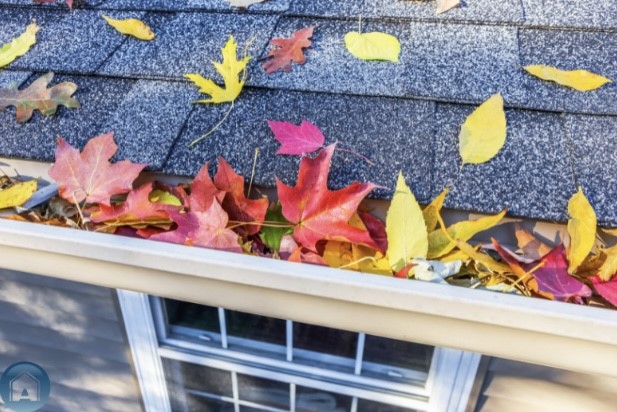
If your gutter is clogged up with leaves and mud, water is likely to pool because it won’t be able to run away freely. This often leads to leaks, which in turn can damage your property. The falling leaves in autumn make gutters prone to blockages, so it’s a good idea to remove any debris before the new season gets underway and the evenings get darker. To make life easier, trim back any trees that overhang your gutter, or consider installing a mesh gutter guard that will stop leaves from falling indirectly. If you’re not keen on shimmying up a ladder, we can inspect your gutter for you, get rid of any leaves, and check for any other issues that could lead to costly repairs.

Do you have any missing or broken roof tiles?

While your gutters are having a seasonal inspection, take an extra few minutes to check on the condition of your roof. Look for general weather damage, broken or loose tiles, and any cracks in your chimney. Rain can easily pass through missing/fractured tiles, so check your loft for signs of leaking after a downpour if you suspect your roof has seen better days. Any issues that you notice will be much easier to fix now before the onset of colder and wetter months. So, try and make your roof repairs a priority before the damage gets any worse. ASK Building & Repairs specialise in building maintenance service in Derby and can check the condition of your roof and tiles on your behalf.

Does your heating still work?

You might not need to put your heating on yet, but now is a good time to check it’s still working properly. You don’t want to find that your radiators are broken when an icy spell hits, so give them a trial run now before it gets too cold. If you leave your heating MOT until winter, you may also find that engineers are much busier and booked up. By making sure everything is in full working order, you can book a potential repair before the temperatures plunge and service demand increases. Like most seasonal DIY tasks, a heating check is worth doing simply because it can save you time, money, and hassle in the long run.  

Contact ASK Building & Repairs for advice and support.

If you’d like some help in getting your home ready for autumn, please don’t hesitate to get in touch. We specialise in building maintenance in Derby and will make sure you’re well-prepared for the colder months. Please contact ASK Building & Repairs by calling 07773 019 410 or send an email to info@askbuildingandrepairs.co.uk.

Roof Repairs in Derby: Keeping Your Home Dry and Secure

Roof Windows

Everyone has a to-do list. Cleaning, admin, DIY jobs, gardening, etc. The list goes on. And it’s never-ending. But regular roof maintenance shouldn’t be neglected or overlooked for too long. The roof on your home or property is exposed to the elements, so looking after it needs to be a priority. Our services include roof repairs in Derby, and a lot of the jobs we fix are small problems that have escalated into bigger ones. To avoid this happening to you, we’ve put together some roof maintenance tips that will help to keep your roof in good condition and avoid costly repairs in the future.  

Inspect your roof twice a year.

If your roof doesn’t get checked over, you won’t know about any issues or damage until it’s too late. In an ideal world, your roof should be inspected a couple of times a year. Early spring is a good time to do it after the harsh winter weather. And carrying out an inspection in autumn once the leaves have fallen is also sensible. To really keep on top of things, you should give your roof a check after a spell of bad weather to make sure there isn’t any noticeable damage. Look for things like broken tiles, debris, and rotting wood. Chances are this isn’t something you’ve thought about doing before, but it could save you thousands in the long run.

 If you’re not keen on heading up a ladder or you’re not sure what to look for when you get up there, you can always get the opinion of a professional. ASK Building & Repairs frequently deals with roof repairs in Derby and is fully insured to work at height so you can keep your feet safely on the ground.

Keep your gutters clear of debris.

If your gutters are clogged up, they won’t do their job properly. When leaves and general debris collect, water stops running away freely. This can lead to water damage, which has the potential to ruin the lower roof of your property. By regularly clearing out gutters (particularly in autumn when the leaves are falling), you can prevent water from overflowing and ruining your roof. in the way

Clogged gutters can also cause problems when it snows (we shouldn’t be expecting any just yet but you never know!). Ice that freezes by the gutter line can’t drain away if debris is causing a blockage, so won’t be able to drain when it thaws. This causes the water to back up until it eventually drips into your home. A contractor that provides roof repairs in Derby can check and clear your gutters if it’s a job you don’t fancy, and get it crossed off your to-do list.  

Trim back overhanging trees.

As well as collecting in guttering, debris such as tree branches and leaves can also get stuck to your roof. Overhanging trees, for example, often look nice, but can cause considerable damage to roof tiles in stormy weather. Trimming them back on a regular basis can stop branches from sitting or hanging over the roof. This can also reduce the number of leaves that collect and get stuck to the tiles. Cutting back trees isn’t always an easy or safe job, so speaking to a local tree surgeon, or garden maintenance service can help you with this task. Likewise, clearing away leaves that have built up can be difficult, so employing the help of a professional roofer can get the job done quickly and safely.

Replace broken tiles quickly.

If broken tiles have been spotted on your roof, make replacing them a priority. It can be difficult to get on top of things, especially when you have lots of jobs to do. But putting it off will only make your property more vulnerable to leaks, which means more water damage and bigger repair costs. If you have a cracked roof tile that’s causing a leak, replacing it is best left to the professionals. Not only will they have the correct equipment, but they will also have the experience to solve the problem safely, and without causing further damage to other roof tiles.

Contact ASK Building & Repairs in Derby.

If you’re worried about the condition of your roof and would like us to check it out before autumn and winter hit, please don’t hesitate to contact us. You can call ASK Building & Repairs by calling 07773 019 410 or you can send an email to info@askbuildingandrepairs.co.uk. We can arrange to come and view your property to take a look and advise on whether your roof needs some attention.

What to do if you need structural repairs in Derby

When you think of structural repairs, it’s not uncommon to picture a damaged wall or a big crack in the ceiling. While these are both issues that need attention, structural repairs are often more subtle than you’d think. However, the one thing they all have in common is that if they’re not addressed quickly, they have the potential to evolve into more serious problems and costly repairs. In this blog we look at the different signs of structural damage, what causes them, and why speaking to a company that specialises in structural repairs in Derby will help keep your expenses down.

What are structural repairs?

The term ‘structural repairs’ refers to repairs and replacements made to a building’s foundations. This includes the replacement/removal of internal and external walls, major roof repairs, and the fixing or removal of columns and joists. Failing to pay attention to structural defects can compromise a building’s safety, so they need to be taken seriously. You could also find that a minor structural issue escalates into a bigger concern that costs more to correct. Talking to a building company that deals with structural repairs in Derby will not only solve the matter quickly but will keep costs as low as possible.

What causes structural problems?

Structural problems are mainly the result of general wear and tear, but nature can play a part too. Tree roots that are close to a property, for example, can damage its foundations, and extreme weather can cause significant destruction to a roof and its composition. The age of a building also plays a huge part in any structural issues you may encounter. So, if you own a home that is Victorian, for example, make it a priority to regularly check for any minor issues that could grow into costly repairs.

What are the signs of structural damage in a building?

This list is by no means extensive, but here are some examples of structural damage we see regularly.

  • Cracks or bulging on your walls and ceiling.

A crack in a wall doesn’t automatically mean your home has a structural defect, but they’re something to keep a close eye on. If you notice a crack over a doorway or find a large crack accompanied by a sag in your ceiling, it could be a sign of a more serious structural problem. In this case, it will need to be looked at quickly before the damage gets any worse.

  • Cracks in the chimney.

Cracks in the mortar or brickwork of your chimney are signs that your property is shifting. This places excessive pressure on your bricks, which presents itself as a crack or a split. If you suspect your chimney needs repairing, it’s best to consult a company or contractor who provides a roofing service and is used to working at height.

  • Sloping or cracking of floors.

If there is a change in the foundation of your property, you may notice slopes, sagging, or cracking in your floor. As a rule, the bigger the movement, the more chance there will be of noticing structural imperfections. If you spot a change in the condition of your flooring, it’s a good idea to inspect it properly for any other signs that it needs some TLC.

  • Uneven gaps around your windows and doors.

Areas around windows and doors often show signs of structural damage before other parts of the walls. Because they are more vulnerable to pressure, it’s worth being vigilant if you notice any uneven gaps, your doors and windows don’t open or close properly or you have difficulty locking them. Also look out for any doors and windows that are separating from the wall, as this is a red flag and will need addressing quickly.

  • A leaking or sagging roof.

A sagging roof and an uneven roof line are both indications that there is a problem with its structure. This damage could be caused by the weather, the removal of load-bearing walls, lack of maintenance, or the movement of timber frames. It can be difficult (and dangerous), to assess the extent of any damage on the roof, so it’s best to speak to a professional roofer who can carry out an inspection on your behalf.

  • Damp subfloor.

A subfloor is the foundation for a floor in a building. If this is damp, it could be a sign that your floors don’t have enough ventilation. Look out for surface stains on your floor or general signs of deterioration, as this could mean that dampness has caused your floor timbers to rot. Speaking to a building and repair company about your concerns will confirm any structural damage and help you put a plan in place to get things resolved.

Contact ASK Building & Repairs for advice.

Structural repairs are essential because they keep your home safe. If you’re concerned about your property, ASK Building & Repairs can assess the damage. To find out more about our service that handles structural repairs in Derby, please send an email to info@askbuildingandrepairs.co.uk or call 07773 019 410.   

What are the benefits of outsourcing building work in Derby?

Delegating isn’t always easy. It’s only natural to want to attempt some home and building repairs yourself, especially when it can save you money. But there’s a fine line between trying to keep costs low and taking on projects that eat into your days off. Here we look at the benefits of hiring a business that carries out building work in Derby and why they can save more than just your time.

Outsourcing jobs to a building and repair company means more time for things you enjoy.

Free time is precious, not to mention rare. Work commitments, family life, and social obligations mean the hours (or minutes!) you have to relax are very few. So why put extra pressure on yourself to take on the responsibility of home improvement projects as well? Of course, there’s no harm in attending to quick repairs if you’re a confident DIYer who enjoys practical tasks. But if you’re busy and your to-do list is growing, it makes sense to hand the work over to someone else. After all, why trade in what free time you have when there are people on hand to help?

Hire a contractor to get your home improvement projects done quickly.

Asking a building and repair company to step in will ensure the work is done as quickly as possible. When you’re trying to fit DIY projects and home improvement tasks around your work and family life, they can take much longer to complete. Doing a little bit each day will get the job done, but it can be a slow process. Hiring a contractor can reduce project completion time as well as the mess that goes with it. Whether you’d like a room re-painting, or want some decking adding to your garden, there’s no getting away from the fact that things can get untidy. Hiring a professional that specialises in providing building work in Derby will not only get the job done efficiently, but they will also take care of any preparation before the work begins and tidy up when it’s done.

Speak to a home repair company to avoid more damage and costs.

Tackling quick, simple repairs yourself isn’t a bad thing. But more complex jobs often require specialist equipment and skills to get them done properly. You may also find that due to the delicate nature of some tasks, it’s easy to incur further damage. Roof work, for example, is very dangerous because it involves working at height and is therefore best done by someone with a lot of experience. Trying to replace one roof tile could easily damage others if you tread in the wrong place, which ultimately means more expense. By hiring the expertise of a contractor, you’ll know that your home repairs will be carried out safely, correctly, and within budget.

Contact ASK Building and Repairs for help with building work in Derby.  

ASK Building and Repairs will always support you in improving your home. Whether you would like a no-obligation quote, or just want some advice or a second option, we can help. You can contact us by calling 07773 019 410 or by sending an email to info@askbuildingandrepairs.co.uk.